




Ferrari Luce: How Jony Ive Created Ferrari’s Most Controversial EV
Ferrari Luce: How Jony Ive Created Ferrari’s Most Controversial EV
Ferrari Luce combines high-performance EV architecture with minimalist industrial design inspired by Apple hardware aesthetics. The vehicle introduces physical mechanical controls, layered OLED instrumentation and recycled premium materials instead of oversized touchscreen interfaces. Presented in Rome in May 2026, Luce positions Ferrari directly against emerging ultra-premium electric competitors from China, Europe and the United States.
Ferrari Luce: How Jony Ive Created Ferrari’s Most Controversial EV
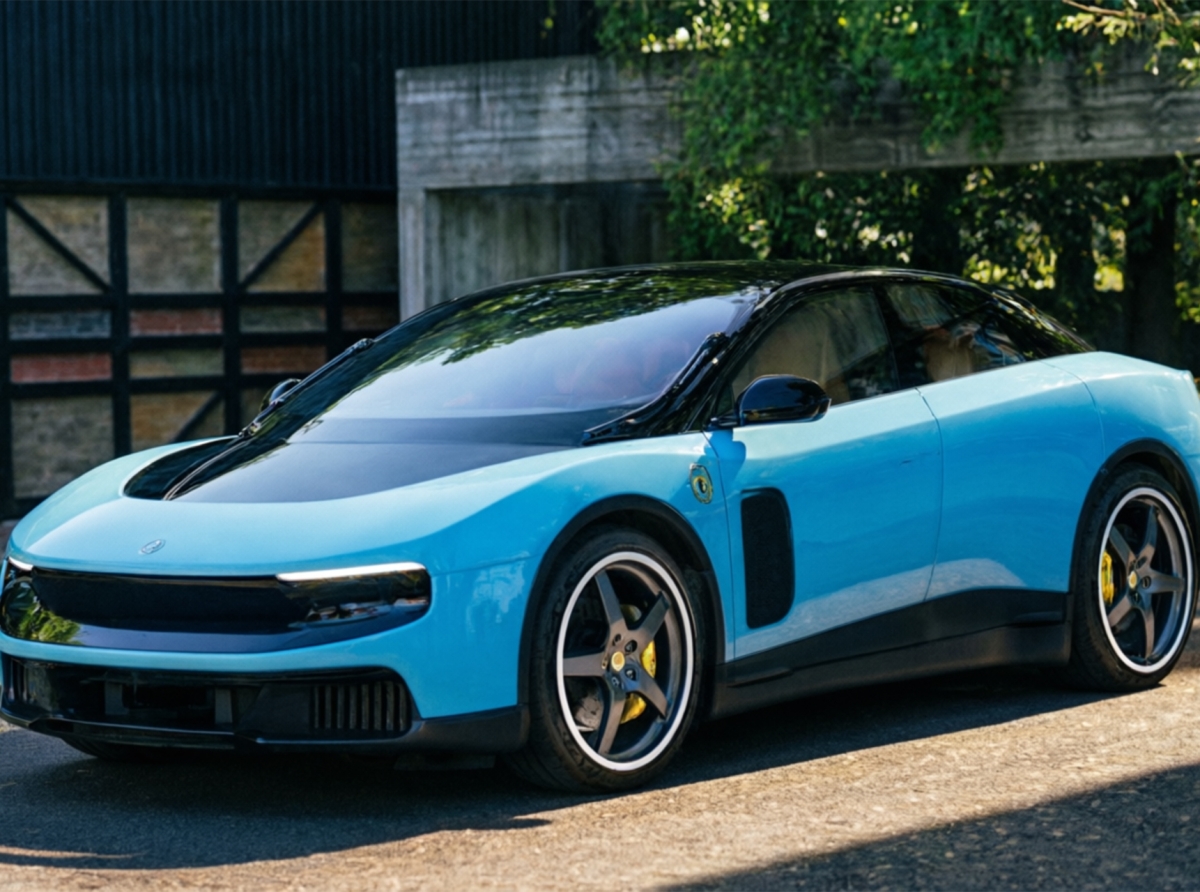
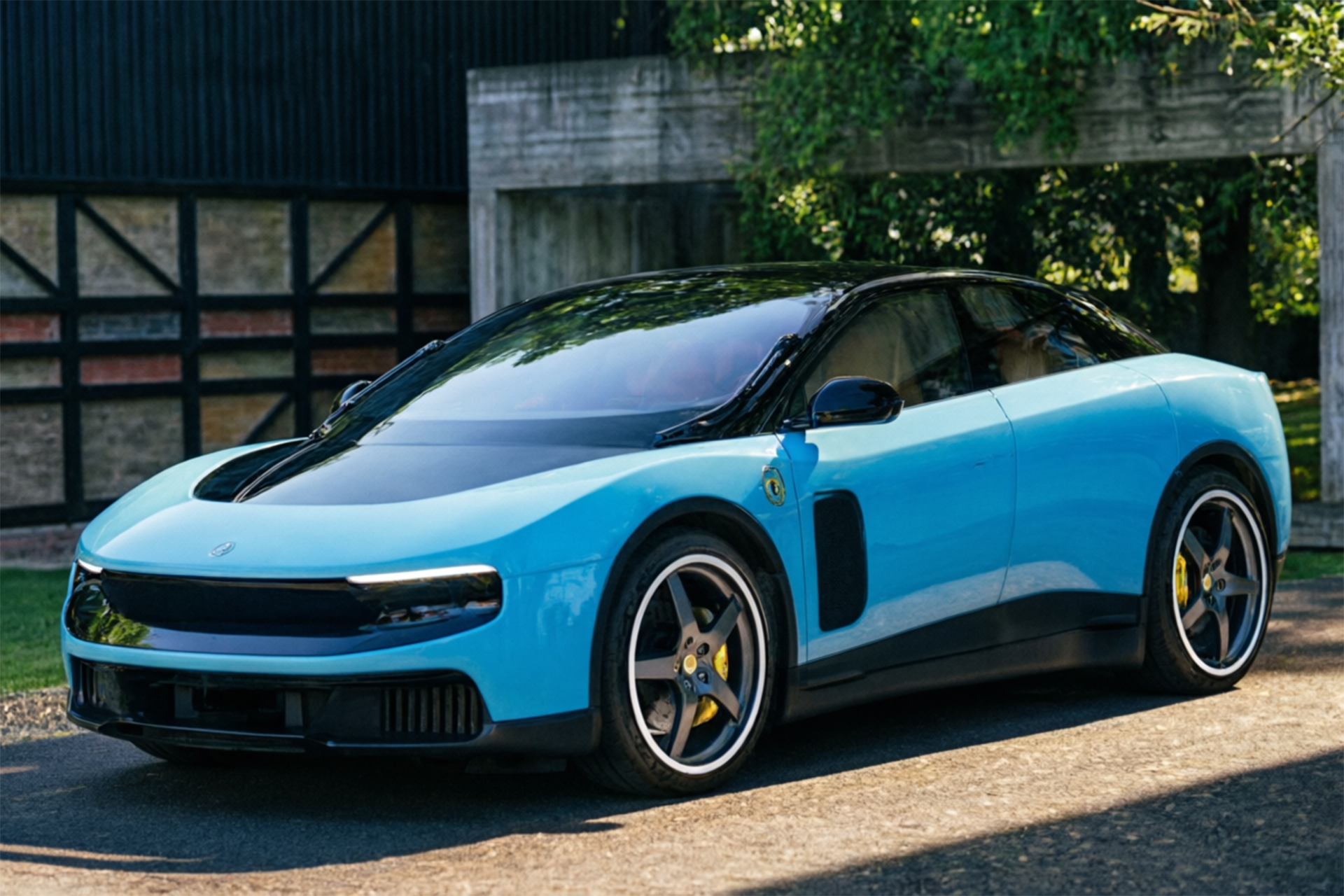
Ferrari officially entered the fully electric era in May 2026 with the presentation of the Ferrari Luce—a five-seat Gran Turismo EV priced from $640,000. Revealed in Rome, the model immediately triggered one of the sharpest design debates in the modern history of the Italian automaker. The reason was not only the transition to electric power, but also the involvement of Jony Ive and the design studio LoveFrom.The Luce abandons many classic Ferrari visual codes in favor of a minimalist, geometric language heavily influenced by Apple-era industrial design. Analysts are already calling the model Ferrari's most important experiment since the launch of the Purosangue, especially amid increasing competition from Chinese luxury EV manufacturers and technology brands.
Ferrari Luce: How Jony Ive Created Ferrari’s Most Controversial EV
Why Ferrari Luce Divides Opinion So Sharply
Ferrari has always evolved cautiously. Even radical models like the Enzo or LaFerrari retained recognizable Ferrari DNA. Luce changes that balance dramatically.The car’s silhouette is smoother, more architectural and less aggressive than traditional Ferrari supercars. The front optics and side proportions avoid the sharp aerodynamic theatricality associated with modern Italian performance design. Social media reaction split almost instantly after the Rome unveiling.
Some automotive designers described Luce as “the cleanest Ferrari ever built.” Others compared it to a luxury concept vehicle that accidentally reached production. Several viral automotive accounts on X and Reddit mocked the proportions and rear section, calling the design “emotionally disconnected from Ferrari heritage.”
Ferrari design chief Flavio Manzoni publicly dismissed the backlash, arguing that every major design evolution initially faces resistance. Historically, Ferrari experienced similar criticism during transitions from front-engine V12 platforms to hybrid architectures.
A trader attending a luxury mobility conference in Dubai shortly after the reveal summarized the market reaction bluntly: “People are not debating whether the car is good. They’re debating whether it is still a Ferrari.”
That distinction matters commercially.
The Apple Influence Is Impossible to Ignore
The interior became one of the most discussed aspects of the project because it reflects nearly every core design principle associated with Apple hardware under Jony Ive’s leadership.LoveFrom reportedly worked on the cabin architecture for five years under strict secrecy. Instead of oversized touch interfaces dominating most premium EVs, Luce deliberately returns to tactile interaction.
Key interior elements include:
Physical switches and mechanical controls
Glass Ferrari key with integrated E Ink display
More than 40 Gorilla Glass components
Triple-spoke steering wheel inspired by 1950s–1960s Nardi designs
Layered Samsung Display OLED instrument cluster with physical indicator needle
Recycled aluminum and reinforced glass materials
One of the most symbolic details appears when the driver inserts the glass key into the center console. The display gradually dims, visually representing the transfer of energy from the key to the vehicle.
That type of theatrical minimalism strongly resembles Apple product philosophy from the iPhone 4 and early iMac era.
Ferrari’s EV Strategy Is Also a Geopolitical Response
Luce is not simply a new luxury car. It is part of a broader strategic repositioning inside the global performance market.Chinese automakers are rapidly transforming the premium EV sector. In early 2026, a Xiaomi performance crossover attracted international attention after setting a Nürburgring benchmark for electric SUVs. Chinese luxury EV manufacturers are no longer viewed merely as low-cost alternatives. They increasingly compete on technology, battery integration and digital ecosystems.
Ferrari’s response is very different from rivals.
While Lamborghini continues prioritizing hybrid platforms and Porsche remains cautious about full electrification demand volatility, Ferrari is moving directly into ultra-premium EV territory with a clean-sheet architecture.
According to industry analysts cited by Yahoo Finance in May 2026, Ferrari’s decision reflects confidence that wealthy buyers increasingly value exclusivity and design identity over engine type alone.
Importantly, Ferrari confirmed that all major Luce components are manufactured in-house in Maranello. The company says this protects long-term servicing capability not only for Luce owners, but also for classic Ferrari collectors — a crucial trust factor among ultra-high-net-worth buyers.
Luxury EV Buyers Are Changing Their Priorities
The Luce presentation also revealed a broader shift happening inside the luxury automotive sector.For years, performance EV marketing focused almost entirely on acceleration figures. That strategy is losing emotional impact because extreme acceleration has become relatively common among high-end electric vehicles.
Ferrari appears to be targeting something different: emotional industrial design.
Instead of competing directly with Tesla-style digital ecosystems or Chinese AI-heavy cabins, Luce emphasizes craftsmanship, physical interaction and material quality. In practice, Ferrari is attempting to transform the EV from a technological gadget into a collectible design object.
This could become particularly relevant in the United States, UAE and Singapore, where luxury buyers increasingly overlap with tech investors and digital entrepreneurs. For many of these customers, Apple-inspired design language carries almost the same prestige value as traditional automotive heritage.
The strongest criticism of Luce may ultimately become its biggest commercial advantage.
Ferrari rarely produces vehicles designed to satisfy everyone immediately. Many iconic Ferrari models became culturally accepted only years after launch. Luce may follow the same trajectory if the market begins associating minimalist EV design with exclusivity rather than emotional detachment.
In practice, Ferrari is making a high-risk bet that the future luxury customer no longer wants an electric car to imitate a gasoline supercar.
The company instead appears to believe the next generation of buyers wants something entirely new — a machine that feels closer to industrial art than mechanical nostalgia.
Instead of competing directly with Tesla-style digital ecosystems or Chinese AI-heavy cabins, Luce emphasizes craftsmanship, physical interaction and material quality. In practice, Ferrari is attempting to transform the EV from a technological gadget into a collectible design object.
This could become particularly relevant in the United States, UAE and Singapore, where luxury buyers increasingly overlap with tech investors and digital entrepreneurs. For many of these customers, Apple-inspired design language carries almost the same prestige value as traditional automotive heritage.
The strongest criticism of Luce may ultimately become its biggest commercial advantage.
Ferrari rarely produces vehicles designed to satisfy everyone immediately. Many iconic Ferrari models became culturally accepted only years after launch. Luce may follow the same trajectory if the market begins associating minimalist EV design with exclusivity rather than emotional detachment.
In practice, Ferrari is making a high-risk bet that the future luxury customer no longer wants an electric car to imitate a gasoline supercar.
The company instead appears to believe the next generation of buyers wants something entirely new — a machine that feels closer to industrial art than mechanical nostalgia.
By Jake Sullivan
May 26, 2026
Join us. Our Telegram: @forexturnkey
All to the point, no ads. A channel that doesn't tire you out, but pumps you up.
May 26, 2026
Join us. Our Telegram: @forexturnkey
All to the point, no ads. A channel that doesn't tire you out, but pumps you up.





Report
My comments