




Fertilizer Supply Shock 2026: How the Iran Conflict Threatens Global Food Security
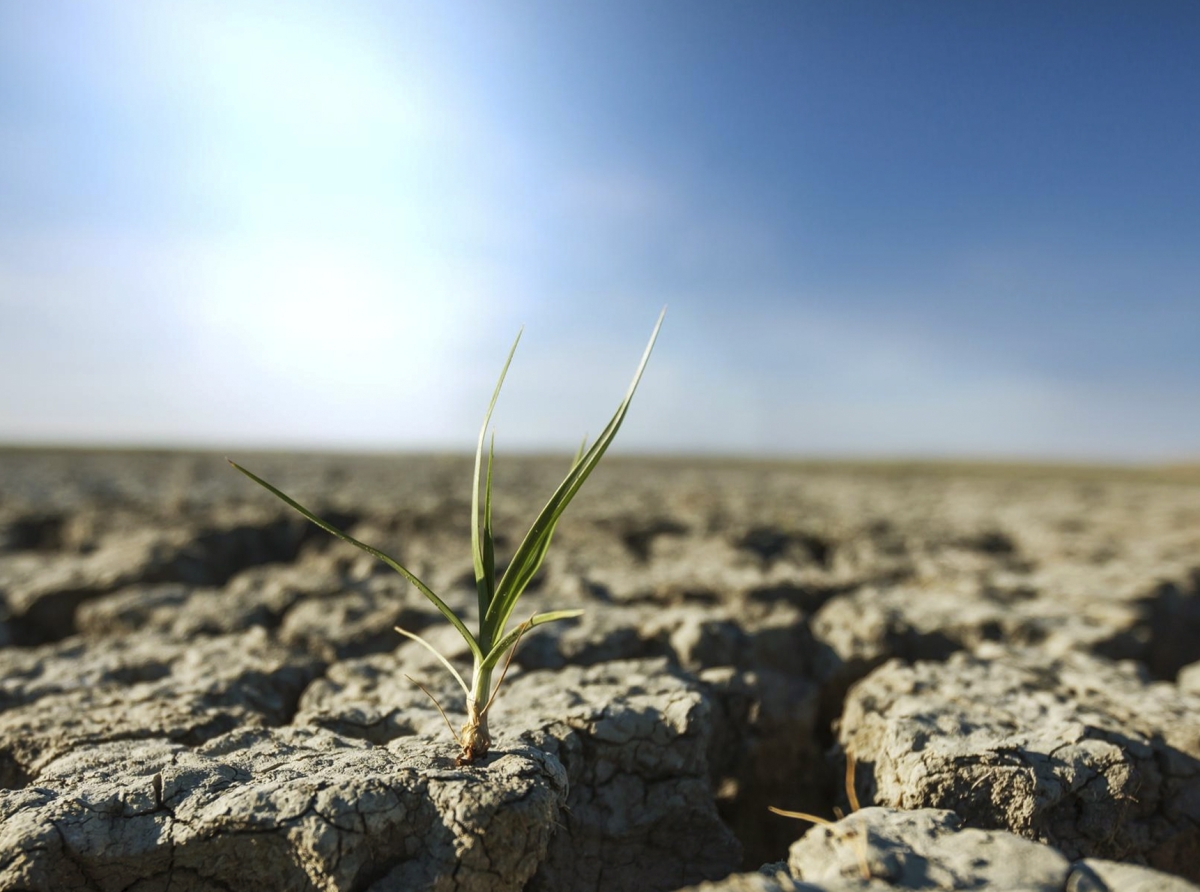
Fertilizer Supply Shock 2026: How the Iran Conflict Threatens Global Food Security
In March 2026, fertilizer prices surged sharply as supply routes through the Strait of Hormuz—handling ~30% of global seaborne fertilizer trade (UN, March 2026)—were disrupted, pushing urea prices to ~$700/ton (FOB Egypt) and raising risks of lower crop yields and global food inflation.
The global agricultural system is entering a high-risk phase where geopolitical disruption is directly translating into supply chain breakdowns. The conflict involving Iran has severely impacted one of the most critical chokepoints in global trade, triggering a rapid escalation in fertilizer prices just as farmers enter key seasonal cycles.
This timing is not incidental. In the Northern Hemisphere, spring planting requires immediate access to nitrogen fertilizers, while in the Southern Hemisphere, harvest cycles depend on prior input availability. The disruption creates a synchronized global risk rather than a localized shortage.
This timing is not incidental. In the Northern Hemisphere, spring planting requires immediate access to nitrogen fertilizers, while in the Southern Hemisphere, harvest cycles depend on prior input availability. The disruption creates a synchronized global risk rather than a localized shortage.
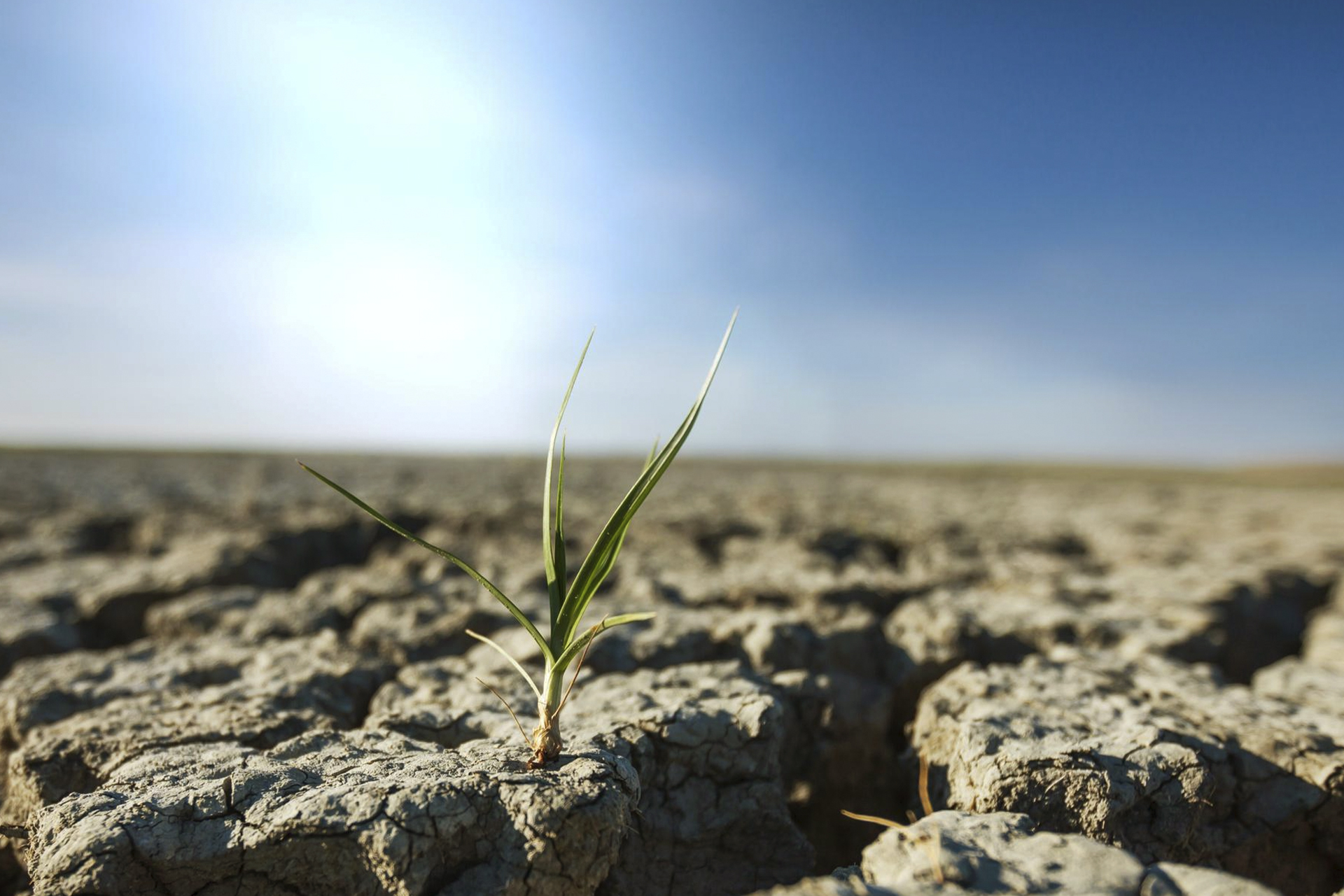
Fertilizer Supply Shock 2026: How the Iran Conflict Threatens Global Food Security
Why the Strait of Hormuz disruption is critical for fertilizers
The Strait of Hormuz is not just an energy corridor; it is a central artery for global fertilizer logistics. According to United Nations data (March 2026), approximately one-third of global seaborne fertilizer shipments pass through this route.Since the escalation of the Iran conflict following military strikes on February 28, 2026, shipping activity has been severely disrupted. Vessel movement has slowed dramatically, and multiple incidents near the waterway have increased risk premiums for transport.
This has effectively removed a large portion of supply from the global market. Analysts at CRU estimate that up to 30% of export-capable fertilizer supply—primarily from Saudi Arabia, Qatar, Bahrain, and Iran—is currently inaccessible.
The structural impact is immediate: less supply entering global markets while seasonal demand accelerates.
Fertilizer markets, unlike oil or gold, are less liquid and more opaque, which amplifies price volatility. However, available benchmarks confirm a sharp increase.
Granular urea (FOB Egypt), a key nitrogen fertilizer indicator, jumped to approximately $700 per metric ton in March 2026, compared to $400–490 before the conflict. According to Alpine Macro (Oxford Economics, March 2026), urea prices have risen by roughly 50% since the start of the crisis, while ammonia prices increased by around 20%.
Other inputs are also affected. Sulfur, of which nearly 50% of global supply originates from the Middle East, is experiencing tightening availability. Potash and phosphate markets are following the upward trend, though with slightly less intensity.
The combination of supply disruption and low liquidity creates conditions for further price spikes.
Not all fertilizers are equal in their impact on agriculture. Nitrogen-based fertilizers, such as urea and ammonia, are essential inputs that must be applied annually. Unlike potash or phosphates, which can sometimes be skipped temporarily, nitrogen cannot be omitted without immediate yield consequences.
This makes the current crisis structurally more dangerous. As highlighted by resource strategists in global markets, missing a nitrogen application cycle directly translates into reduced crop output.
Urea alone is critical for crops such as corn, wheat, and rapeseed, which form the backbone of global food supply chains. The timing of the disruption—coinciding with planting season—intensifies the risk.
The fertilizer shock is rapidly transmitting into broader economic systems. Rising input costs for farmers increase the likelihood of reduced fertilizer usage, especially in price-sensitive regions.
Emerging markets are particularly vulnerable. Countries in Africa and parts of Asia, including India, depend heavily on imported fertilizers and may struggle to absorb higher costs. This creates a direct pathway to lower yields and potential food shortages.
Even in the United States, where domestic production exists, dependency on imports remains significant. According to the Fertilizer Institute (USA, March 2026), roughly one-third of fertilizers used domestically are imported, exposing the market to global price shocks.
As a result, agricultural inflation is likely to rise. Higher fertilizer costs feed into higher food prices, reinforcing inflationary pressure already present in energy markets.
The current situation is increasingly compared to the fertilizer shock following the Russia–Ukraine conflict in 2022. However, the 2026 crisis differs in scale and structure.
While the earlier crisis affected key exporters, the current disruption impacts a broader network of producers across the Middle East, including Saudi Arabia, Qatar, the UAE, Kuwait, and Iran. This creates a more systemic supply gap rather than a regional imbalance.
Additionally, pre-existing tightness in sulfur and fertilizer markets means the system had limited capacity to absorb new shocks. Production constraints, storage limitations, and energy disruptions in the region further exacerbate the situation.
In the short term, fertilizer prices are expected to remain elevated as long as shipping disruptions persist in the Strait of Hormuz. Any escalation in conflict could tighten supply further.
In the medium term (2026–2027), the key variable will be how farmers respond. Reduced fertilizer usage this season may not immediately impact yields but could result in significant production losses later in the year.
Global food inventories currently provide a partial buffer. However, if the crisis extends, these reserves may be insufficient to stabilize markets, particularly in vulnerable regions.
This makes the current crisis structurally more dangerous. As highlighted by resource strategists in global markets, missing a nitrogen application cycle directly translates into reduced crop output.
Urea alone is critical for crops such as corn, wheat, and rapeseed, which form the backbone of global food supply chains. The timing of the disruption—coinciding with planting season—intensifies the risk.
The fertilizer shock is rapidly transmitting into broader economic systems. Rising input costs for farmers increase the likelihood of reduced fertilizer usage, especially in price-sensitive regions.
Emerging markets are particularly vulnerable. Countries in Africa and parts of Asia, including India, depend heavily on imported fertilizers and may struggle to absorb higher costs. This creates a direct pathway to lower yields and potential food shortages.
Even in the United States, where domestic production exists, dependency on imports remains significant. According to the Fertilizer Institute (USA, March 2026), roughly one-third of fertilizers used domestically are imported, exposing the market to global price shocks.
As a result, agricultural inflation is likely to rise. Higher fertilizer costs feed into higher food prices, reinforcing inflationary pressure already present in energy markets.
The current situation is increasingly compared to the fertilizer shock following the Russia–Ukraine conflict in 2022. However, the 2026 crisis differs in scale and structure.
While the earlier crisis affected key exporters, the current disruption impacts a broader network of producers across the Middle East, including Saudi Arabia, Qatar, the UAE, Kuwait, and Iran. This creates a more systemic supply gap rather than a regional imbalance.
Additionally, pre-existing tightness in sulfur and fertilizer markets means the system had limited capacity to absorb new shocks. Production constraints, storage limitations, and energy disruptions in the region further exacerbate the situation.
In the short term, fertilizer prices are expected to remain elevated as long as shipping disruptions persist in the Strait of Hormuz. Any escalation in conflict could tighten supply further.
In the medium term (2026–2027), the key variable will be how farmers respond. Reduced fertilizer usage this season may not immediately impact yields but could result in significant production losses later in the year.
Global food inventories currently provide a partial buffer. However, if the crisis extends, these reserves may be insufficient to stabilize markets, particularly in vulnerable regions.
Why are fertilizer prices rising?
Due to supply disruptions in the Strait of Hormuz and reduced exports from the Middle East.
How much have prices increased?
Urea prices have risen by about 50% since the start of the conflict.
Why is nitrogen fertilizer critical?
It must be applied every year and directly affects crop yields.
Which regions are most at risk?
Emerging markets in Africa and Asia, as well as import-dependent countries like India.
Will this lead to food shortages?
There is a growing risk, especially if the disruption continues into the planting season.
Governments and agricultural organizations are already reacting. In the United States, multiple farming groups have called for emergency support measures as input costs surge during the planting season.
Policy responses may include subsidies, strategic reserves, and efforts to secure alternative supply routes. However, these measures take time to implement and may not fully offset immediate shortages.
From a market perspective, traders are closely monitoring fertilizer-linked equities, agricultural commodities, and currencies of exporting countries. The interconnected nature of the crisis means that volatility will extend beyond agriculture into broader financial markets.
The fertilizer supply shock of 2026 is more than a sector-specific disruption — it is a systemic risk to global food security. With critical supply routes constrained and prices surging, the effects are cascading from farms to financial markets. The coming months will determine whether this crisis remains manageable or evolves into a broader global food instability event.
Due to supply disruptions in the Strait of Hormuz and reduced exports from the Middle East.
How much have prices increased?
Urea prices have risen by about 50% since the start of the conflict.
Why is nitrogen fertilizer critical?
It must be applied every year and directly affects crop yields.
Which regions are most at risk?
Emerging markets in Africa and Asia, as well as import-dependent countries like India.
Will this lead to food shortages?
There is a growing risk, especially if the disruption continues into the planting season.
Governments and agricultural organizations are already reacting. In the United States, multiple farming groups have called for emergency support measures as input costs surge during the planting season.
Policy responses may include subsidies, strategic reserves, and efforts to secure alternative supply routes. However, these measures take time to implement and may not fully offset immediate shortages.
From a market perspective, traders are closely monitoring fertilizer-linked equities, agricultural commodities, and currencies of exporting countries. The interconnected nature of the crisis means that volatility will extend beyond agriculture into broader financial markets.
The fertilizer supply shock of 2026 is more than a sector-specific disruption — it is a systemic risk to global food security. With critical supply routes constrained and prices surging, the effects are cascading from farms to financial markets. The coming months will determine whether this crisis remains manageable or evolves into a broader global food instability event.
By Miles Harrington
March 26, 2026
Join us. Our Telegram: @forexturnkey
All to the point, no ads. A channel that doesn't tire you out, but pumps you up.
March 26, 2026
Join us. Our Telegram: @forexturnkey
All to the point, no ads. A channel that doesn't tire you out, but pumps you up.





Report
My comments