




Green Steel: Why Decarbonising Steel Could Reshape Global Industry
Green Steel: Why Decarbonising Steel Could Reshape Global Industry
Steel production emits more CO₂ than aviation and even more than entire national economies, making “green steel” one of the most critical industrial transitions of the energy transition era.
Steel and the hidden scale of emissions
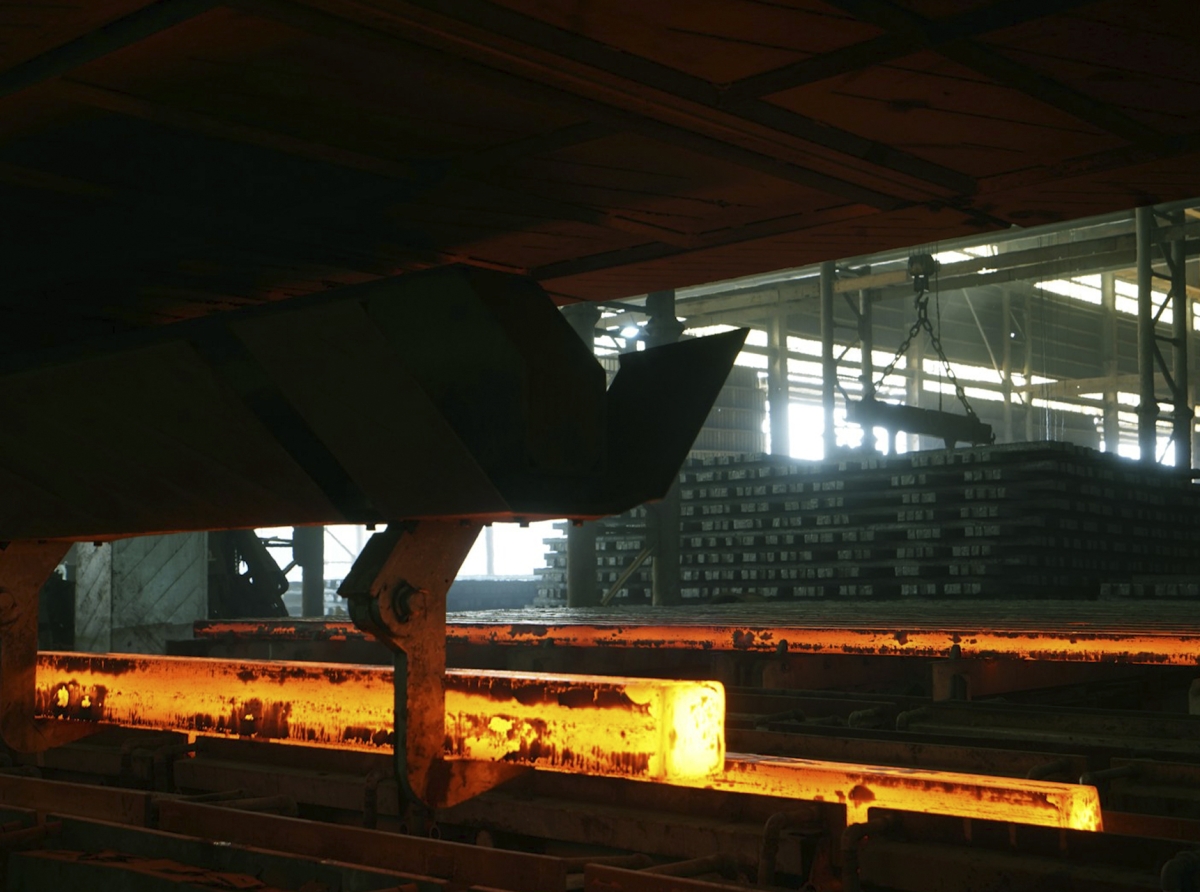
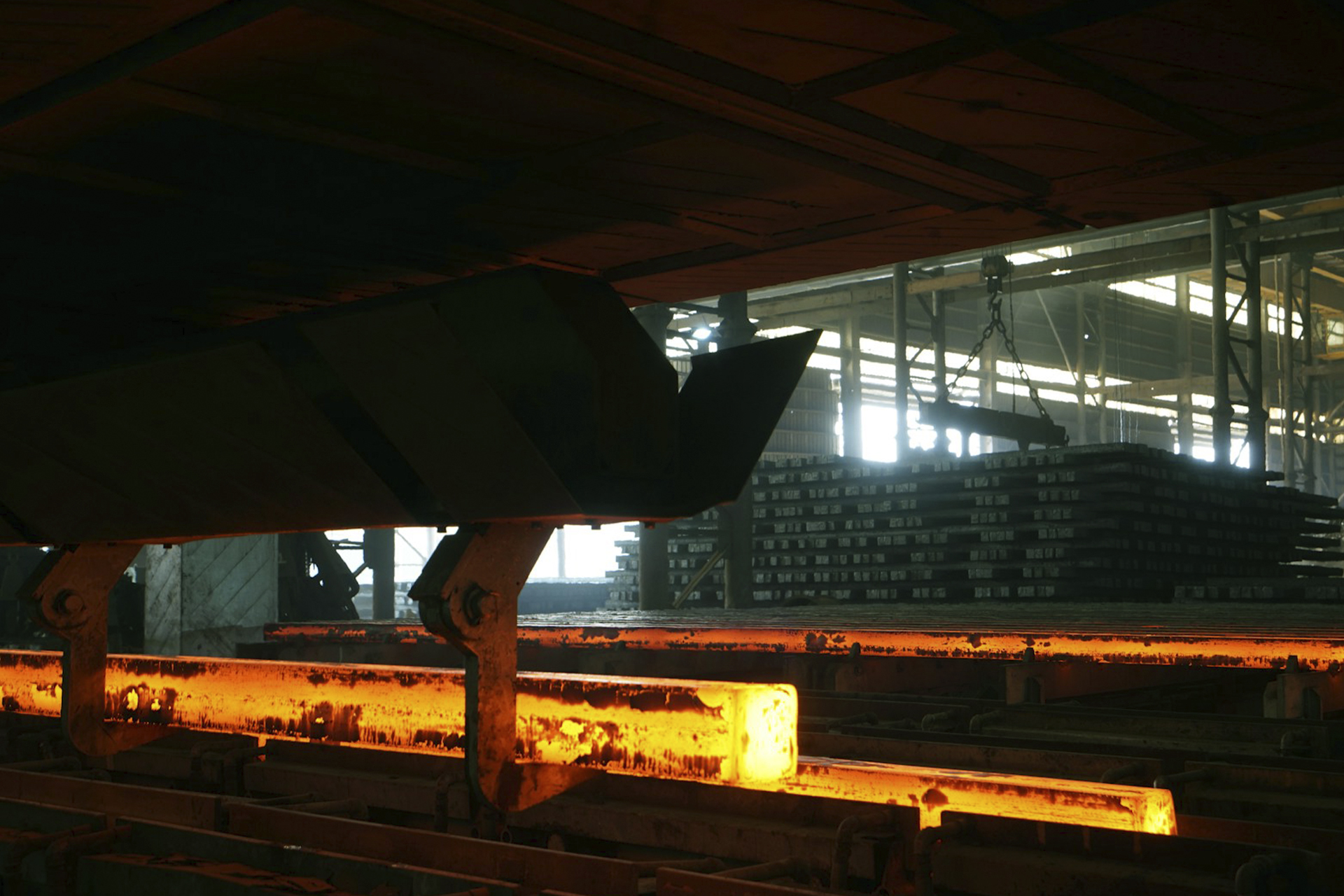
Steel is the backbone of modern economies. It is also one of the largest industrial sources of carbon emissions globally. Traditional steelmaking relies on coal-based blast furnaces, where carbon is not a side effect but a core input. As a result, the sector emits more CO₂ than aviation and more than India, the world’s third-largest national emitter.This makes steel decarbonisation uniquely difficult. Unlike electricity generation, where renewables can replace fossil fuels directly, steel requires a fundamental redesign of the production process itself.
Why hydrogen changes the equation
“Green steel” refers to steel produced without coal, using hydrogen instead to remove oxygen from iron ore. When that hydrogen is generated from renewable energy, the process dramatically reduces emissions, producing water vapor instead of carbon dioxide.Until recently, this approach was largely theoretical at industrial scale. Hydrogen production was expensive, renewable energy supply was insufficient, and infrastructure was lacking. That combination is now beginning to change.
Green Steel: Why Decarbonising Steel Could Reshape Global Industry
Stegra and the first industrial-scale leap
Stegra, a Swedish startup valued at approximately $7 billion, is building what is expected to become the world’s first industrial-scale green steel plant powered by renewable hydrogen. The facility is under construction in northern Sweden and is scheduled to begin operations next year.The location is not accidental. Northern Sweden offers abundant renewable electricity, particularly hydropower and wind, which is essential for producing green hydrogen at scale. This geographic advantage allows Stegra to integrate energy generation, hydrogen production, and steelmaking into a single low-carbon system.
If successful, the project would move green steel from pilot projects into real industrial output.
Why markets are paying attention
Steel is not a niche product. It underpins construction, automotive manufacturing, infrastructure, and defense. Any structural shift in how steel is produced has ripple effects across supply chains, pricing models, and carbon markets.Investors and policymakers increasingly view green steel as a potential benchmark for industrial decarbonisation. Unlike offsets or marginal efficiency gains, hydrogen-based steel production offers a pathway to near-zero emissions in one of the hardest-to-abate sectors.
As one industrial analyst noted, “Decarbonising steel is not about optics — it’s about whether heavy industry can survive in a carbon-constrained world.” That framing explains why projects like Stegra’s attract both capital and scrutiny.
Challenges beyond the technology
The technical concept is clear, but scaling remains complex. Green hydrogen requires vast amounts of renewable electricity. Infrastructure costs are high. Steel prices may rise, at least initially, as capital expenditures are recovered.There is also a policy dimension. Without carbon pricing or regulatory pressure, traditional steel may remain cheaper in the short term. The success of green steel therefore depends not only on engineering, but on how markets value emissions reduction.
Stegra’s plant represents more than a single company’s ambition. It signals a shift in how industrial decarbonisation is approached — from incremental improvements to full process replacement.
If green steel proves commercially viable, it sets a precedent for other emissions-heavy sectors where electrification alone is insufficient.
Steel has long been considered one of the most difficult industries to decarbonise. Green hydrogen offers a credible alternative, and Stegra’s project is the first real test at industrial scale.
The outcome will matter not just for steelmakers, but for the future of climate policy and industrial competitiveness.
The outcome will matter not just for steelmakers, but for the future of climate policy and industrial competitiveness.
By Claire Whitmore
January 14, 2026
Join us. Our Telegram: @forexturnkey
All to the point, no ads. A channel that doesn't tire you out, but pumps you up.
January 14, 2026
Join us. Our Telegram: @forexturnkey
All to the point, no ads. A channel that doesn't tire you out, but pumps you up.




Report
My comments