




Greenland Under Pressure: Can NATO Survive a Crisis Triggered by Its Strongest Member?
Greenland Under Pressure: Can NATO Survive a Crisis Triggered by Its Strongest Member?
Donald Trump’s renewed pressure to place Greenland under U.S. control is not just a bilateral dispute with Denmark, but a stress test for NATO’s ability to survive a crisis initiated by its most powerful member.
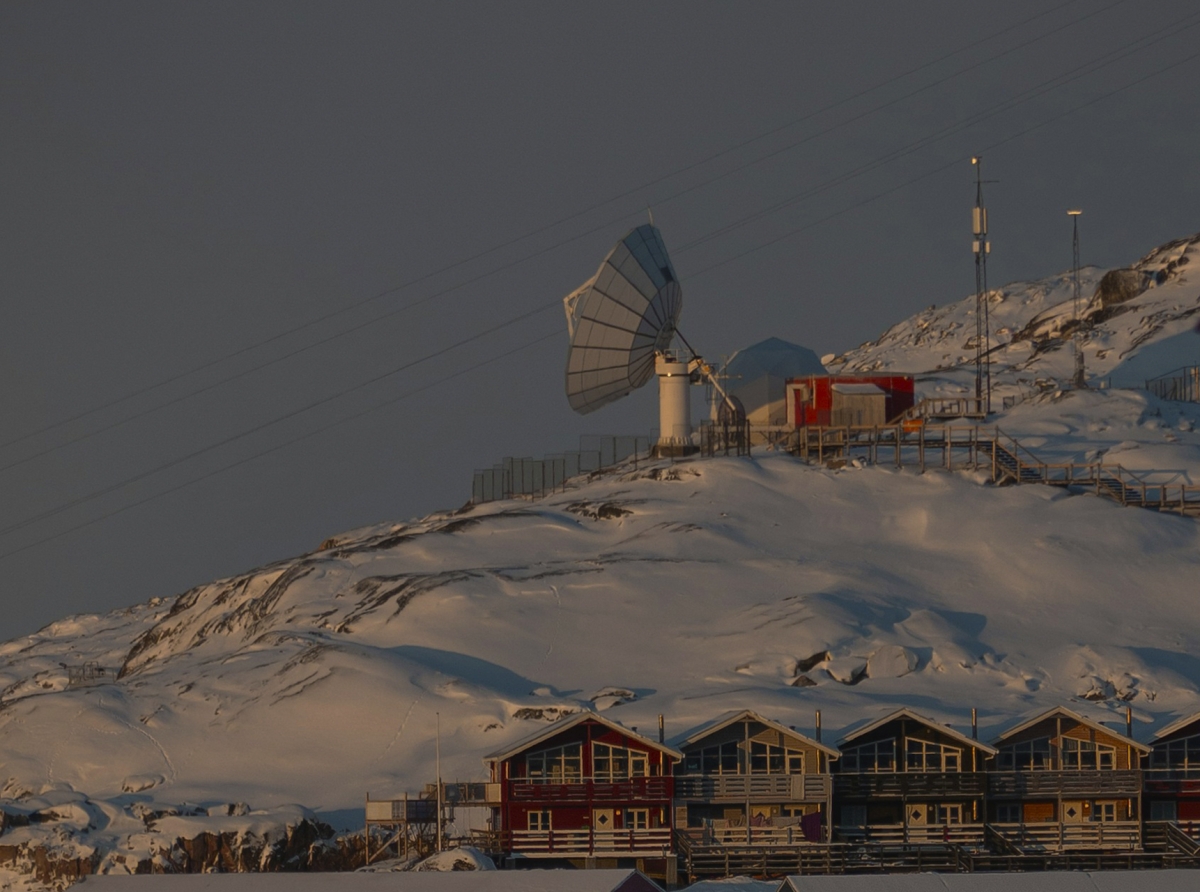
At the very start of 2026, Europe found itself facing a security dilemma it had hoped to avoid. After spending most of 2025 strengthening defenses against Russia, European governments were forced to reassess their own alliance when the White House confirmed that President Donald Trump was considering “various options,” including military action, to bring Greenland under U.S. control.
Greenland is a semi-autonomous territory of Denmark, and both countries are NATO members. This single fact turns Trump’s statements into something far more destabilizing than standard geopolitical brinkmanship. NATO was designed to deter external aggression. It has no clear doctrine for handling coercion from within.
Greenland is a semi-autonomous territory of Denmark, and both countries are NATO members. This single fact turns Trump’s statements into something far more destabilizing than standard geopolitical brinkmanship. NATO was designed to deter external aggression. It has no clear doctrine for handling coercion from within.
Greenland Under Pressure: Can NATO Survive a Crisis Triggered by Its Strongest Member?
Why Greenland matters far more than its population suggests
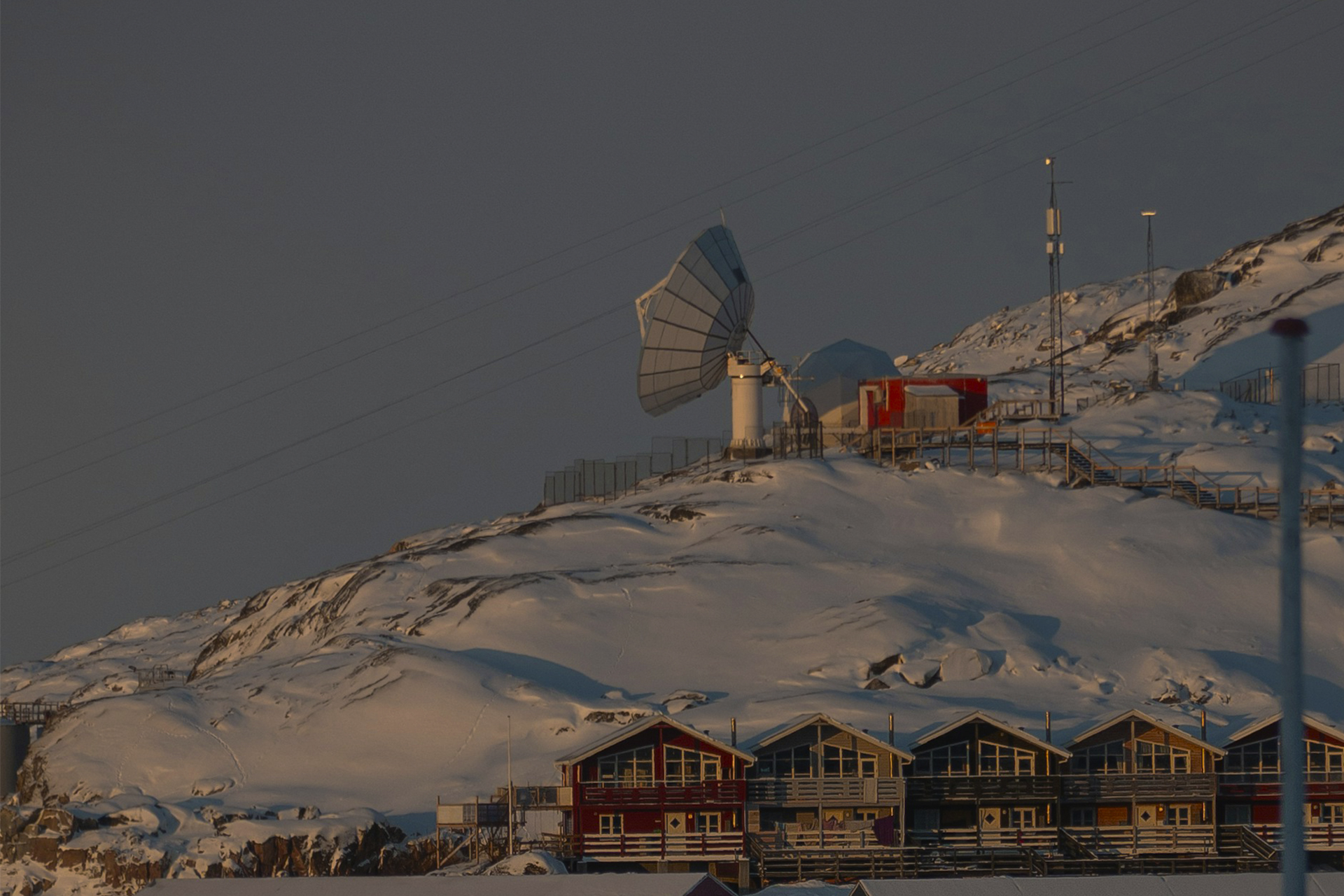
Greenland is the world’s largest island, rich in unexplored mineral resources and strategically positioned in the Arctic. Although it sits on the North American continental plate, it remains politically tied to Europe through Denmark. As Arctic ice melts, new shipping routes are emerging, shortening transit times between Asia, Europe, and North America. At the same time, the region is becoming increasingly important for missile detection and early-warning systems.These factors explain why Trump has returned to the idea of controlling Greenland with growing urgency. What was once framed as an economic opportunity is now explicitly described as a national security imperative. In strategic terms, Greenland offers the United States forward positioning in the Arctic at a moment when competition with Russia and China is intensifying.
The military reality NATO cannot openly discuss
In theory, an attempt by the United States to seize Greenland would constitute an attack on the territory of a NATO member. In practice, few analysts believe Europe would respond militarily. No European government appears willing to risk a direct confrontation with U.S. forces over an island with fewer than 60,000 residents.The imbalance of power inside NATO is decisive. The United States fields around 1.3 million active-duty personnel, while the remaining NATO members together account for roughly 2.1 million. Beyond numbers, the U.S. dominates in logistics, power projection, and Arctic-capable forces. Analysts widely agree that Washington could move forces into Greenland rapidly and with minimal resistance, not through a dramatic invasion but via a steady increase in troop presence and infrastructure.
This creates a scenario NATO has never prepared for: a gradual assertion of control by one ally that others are unwilling to physically oppose.
Denmark’s dilemma and Europe’s limited options
Denmark has made clear it takes the threat seriously. Copenhagen has announced plans to spend 88 billion Danish kroner, approximately $13.8 billion, on strengthening Greenland’s defenses, citing the “serious security situation” it now faces. Politically, Denmark has gone further. Prime Minister Mette Frederiksen has warned that a U.S. takeover of Greenland would effectively spell the end of NATO.Yet this statement underscores the paradox. Defending Greenland by force could fracture the alliance. Failing to defend it could hollow out NATO’s credibility. European governments theoretically could restrict U.S. access to bases, radar systems, or other military infrastructure in Europe, but doing so would carry enormous political costs at a time when Europe still depends on Washington for support in Ukraine and broader regional deterrence.
Trump’s message to NATO: dependence has consequences
Trump’s own rhetoric sharpens the pressure. While insisting that the United States still supports NATO, he has repeatedly questioned whether the alliance would defend America in a crisis. He has also argued that Russia and China do not fear NATO without U.S. participation, reinforcing the idea that European security ultimately rests on American power.This framing leaves Europe with little room to maneuver. The alliance’s credibility increasingly depends not on shared rules, but on Washington’s restraint.
The Greenland crisis is not primarily about territory. It is about the limits of collective defense in an alliance defined by asymmetric power. NATO may be able to deter external adversaries, but it is dangerously ill-equipped to manage internal coercion by its strongest member.
For policymakers and markets alike, the message is clear. Alliance risk is no longer exogenous. It is now embedded within NATO itself, and Greenland is the clearest sign yet that the old assumptions about unity and deterrence can no longer be taken for granted.
For policymakers and markets alike, the message is clear. Alliance risk is no longer exogenous. It is now embedded within NATO itself, and Greenland is the clearest sign yet that the old assumptions about unity and deterrence can no longer be taken for granted.
By Claire Whitmore
January 09, 2026
Join us. Our Telegram: @forexturnkey
All to the point, no ads. A channel that doesn't tire you out, but pumps you up.
January 09, 2026
Join us. Our Telegram: @forexturnkey
All to the point, no ads. A channel that doesn't tire you out, but pumps you up.




Report
My comments