




Oil Market Shock: US–Iran Tensions Push Ceasefire to Brink
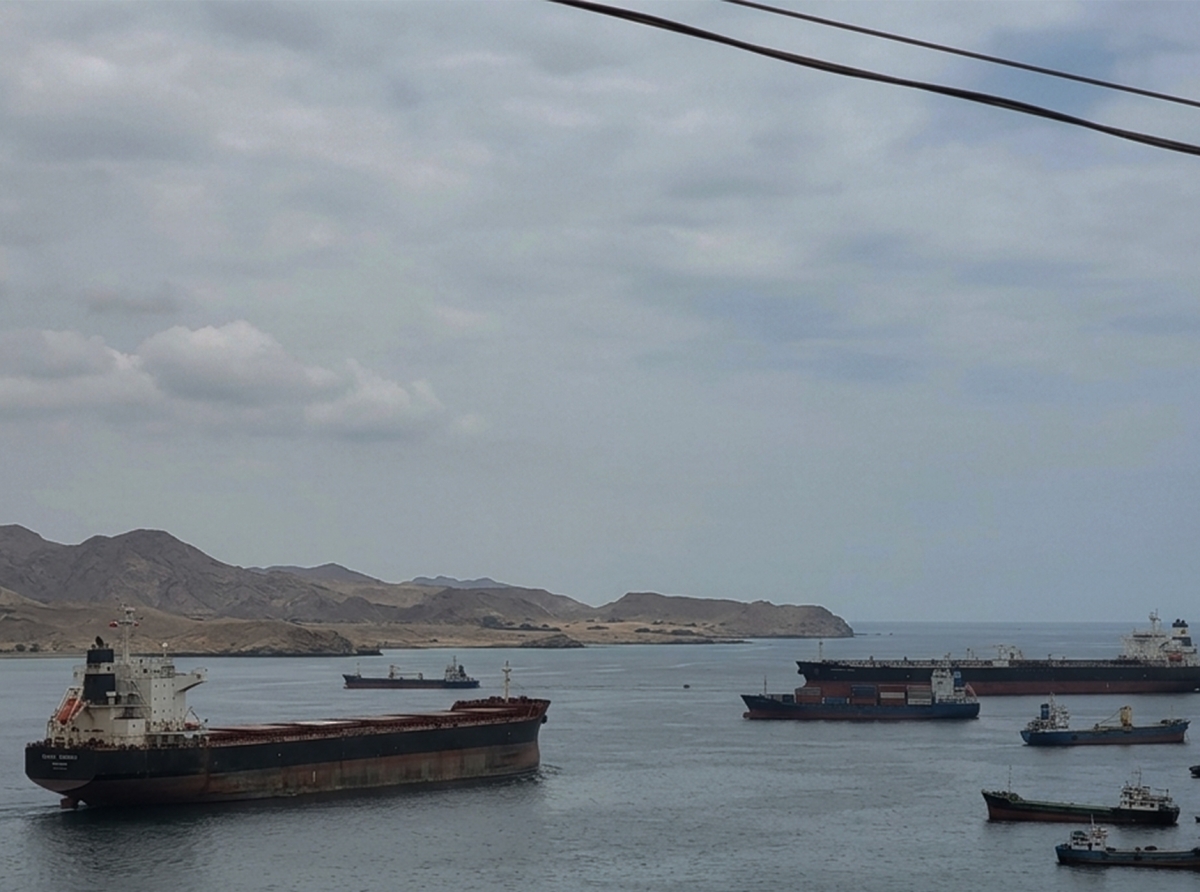
Oil Market Shock: US–Iran Tensions Push Ceasefire to Brink
Renewed attacks on shipping in the Strait of Hormuz and the seizure of vessels have pushed the US and Iran to the edge of ending the ceasefire, triggering oil price spikes and threatening prolonged supply disruptions in global energy markets.
Escalation in the Persian Gulf has once again exposed how fragile geopolitical stability is — and how quickly it translates into market volatility. After a brief window of optimism, when Iran announced the reopening of the Strait of Hormuz, the situation reversed within 24 hours. Renewed attacks on vessels and military actions have effectively halted shipping flows, sending a clear signal to traders: the crisis is far from over.
Escalation in the Persian Gulf has once again exposed how fragile geopolitical stability is — and how quickly it translates into market volatility. After a brief window of optimism, when Iran announced the reopening of the Strait of Hormuz, the situation reversed within 24 hours. Renewed attacks on vessels and military actions have effectively halted shipping flows, sending a clear signal to traders: the crisis is far from over.
What Happened: From Ceasefire Hopes to Renewed Conflict
The sequence of events unfolded rapidly. On Friday, Iran signaled a full reopening of the Strait of Hormuz, a critical chokepoint through which around 20% of global oil supply typically flows. Markets reacted instantly — oil prices dropped by more than 10%.However, by Saturday, the situation deteriorated. Tehran reinstated restrictions after the US refused to lift its naval blockade. Attempts to resume shipping failed as vessels came under fire mid-transit, forcing a retreat.
By Sunday, US naval forces seized an Iranian container ship in the Gulf of Oman, further escalating tensions. Political rhetoric intensified, with warnings of potential strikes on infrastructure if negotiations collapse.
Energy markets responded sharply to the renewed risk.
Structured market data (April 2026, early Monday session):
WTI crude: $89 per barrel (+6%, intraday spike)
Brent crude: $95.5 per barrel (+5.6%)
Disrupted supply: ~13 million barrels/day (global estimate, April 2026)
These figures reflect not just immediate supply concerns, but expectations of prolonged disruption. The Strait of Hormuz remains effectively non-operational, amplifying uncertainty.
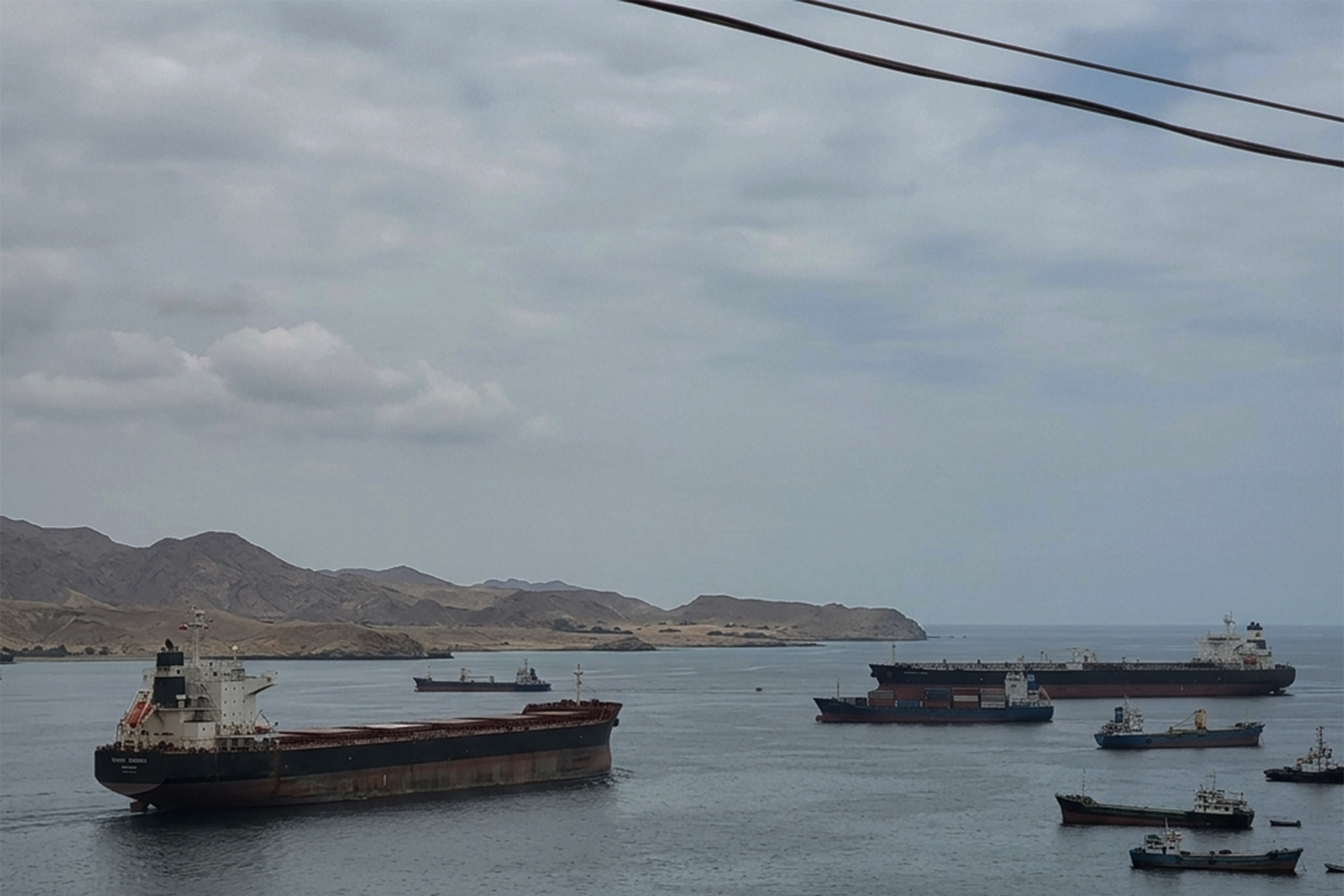
Oil Market Shock: US–Iran Tensions Push Ceasefire to Brink
Why the Strait of Hormuz Matters So Much
The Strait is one of the most strategically important energy corridors in the world. Any disruption has immediate global consequences.Key facts:
~20% of global oil flows through the strait
Major exporters affected: Saudi Arabia, UAE, Iran
Alternative routes: limited and less efficient
The current shutdown is not just a logistical issue — it is a systemic shock to global energy supply chains.
The longer the disruption continues, the more severe the cumulative impact becomes.
Current estimates (April 2026):
Daily disruption: 13 million barrels (oil, condensate, LNG)
Total cumulative loss: over 500 million barrels
Production downtime: weeks to months to recover
Even in a best-case scenario — a quick agreement — restoring supply will take time. Infrastructure shutdowns and logistical bottlenecks cannot be reversed instantly.
Negotiations: The Critical Turning Point
All eyes are now on potential переговоры between the US and Iran expected in Islamabad. The ceasefire is set to expire imminently, making this round decisive.However, signals are mixed:
US officials indicate talks are ongoing
Iran denies participation, citing unrealistic demands
Previous round (April 12, 2026) failed to produce agreement
Key disagreement: duration of uranium enrichment pause (US proposal: 20 years; Iran: 5 years).
This gap reflects deeper structural tensions, not just tactical differences.
Expert Insight: Risk of Escalation Remains High
Analysts warn that the current situation has a built-in bias toward escalation. Even minor incidents can trigger a chain reaction.The core issue is not only military — it is strategic misalignment. Without a shift in negotiation approach, the probability of renewed conflict remains elevated in the short term.
The ripple effects are already visible across financial markets:
US stock futures declined amid rising geopolitical risk
Safe-haven assets (gold, USD) gained support
Inflation expectations increased due to higher energy prices
For Forex traders, this translates into increased volatility in pairs like USD/JPY and EUR/USD, especially during news-driven sessions.
Market Outlook: 2026 Scenario Analysis
Two primary scenarios emerge:1. Ceasefire Extended (Low Probability)
Shipping resumes gradually; oil stabilizes but remains elevated due to supply lag.
2. Conflict Resumes (Higher Probability)
Further disruptions, oil potentially exceeding $100/barrel, increased global inflation pressure.
Central banks, including the Federal Reserve (USA) and European Central Bank (EU), may face renewed challenges balancing inflation and growth.
What Traders Should Watch Now
Official confirmation of US–Iran negotiations
Status updates on Strait of Hormuz shipping flows
Oil price reaction above key levels ($90, $100)
Central bank responses to inflation pressure
Timing and information speed will be critical in this environment.
The renewed escalation between the US and Iran is not just a geopolitical headline — it is a structural shock to global markets. With shipping halted and negotiations uncertain, oil prices are likely to remain elevated, and volatility will persist. For traders and investors, this is a reminder: geopolitical risk can override all other market logic.
Written by Ethan Blake
Independent researcher, fintech consultant, and market analyst.
April 20, 2026
Join us. Our Telegram: @forexturnkey
All to the point, no ads. A channel that doesn't tire you out, but pumps you up.
Independent researcher, fintech consultant, and market analyst.
April 20, 2026
Join us. Our Telegram: @forexturnkey
All to the point, no ads. A channel that doesn't tire you out, but pumps you up.





Report
My comments