









Rare Casascius Bitcoin Worth $1.78 Million Redeemed After 12 Years
Rare Casascius Bitcoin Worth $1.78 Million Redeemed After 12 Years
The redemption of a 25 BTC Casascius coin demonstrates how Bitcoin’s earliest infrastructure is increasingly intersecting with modern market dynamics. As dormant wallets awaken and historic crypto artifacts are converted back into liquid digital assets, investors gain a rare glimpse into the evolution of Bitcoin from an experimental technology into a multi-trillion-dollar financial ecosystem.
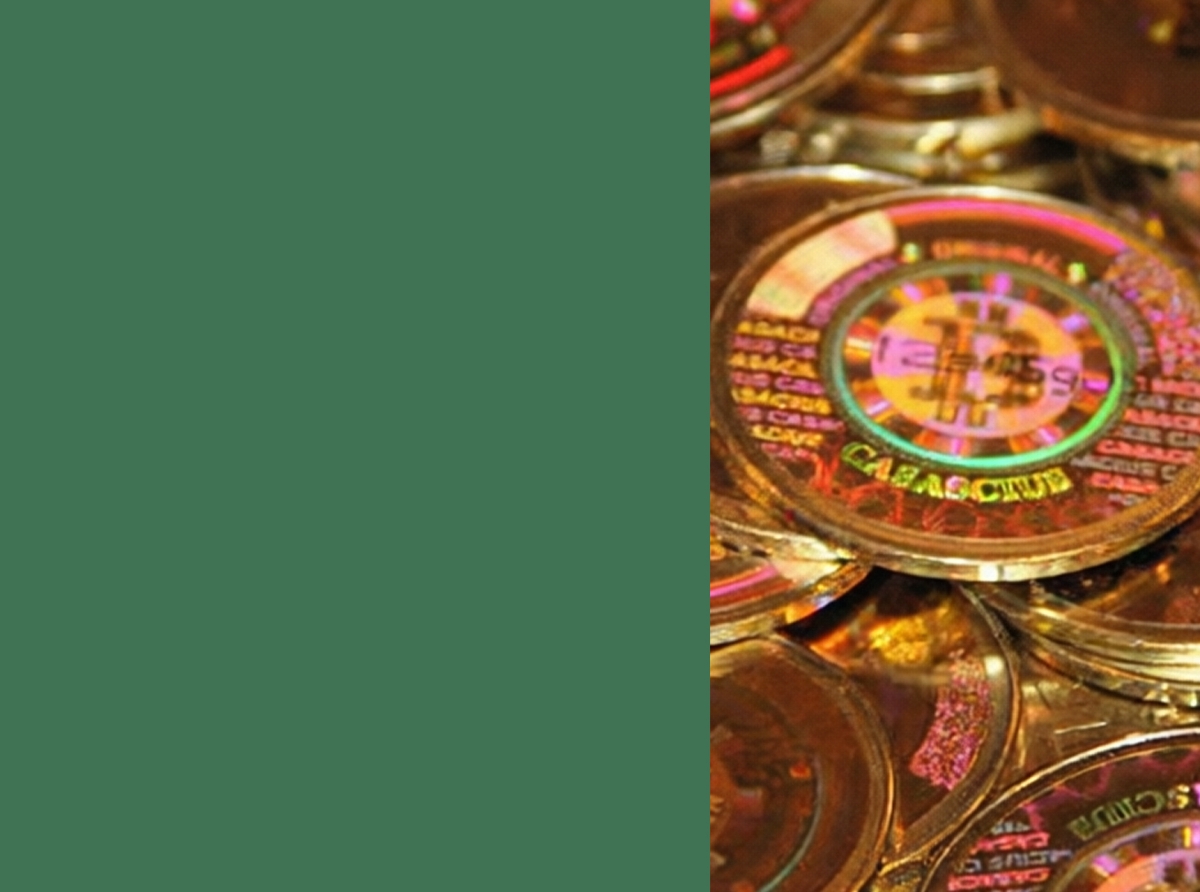
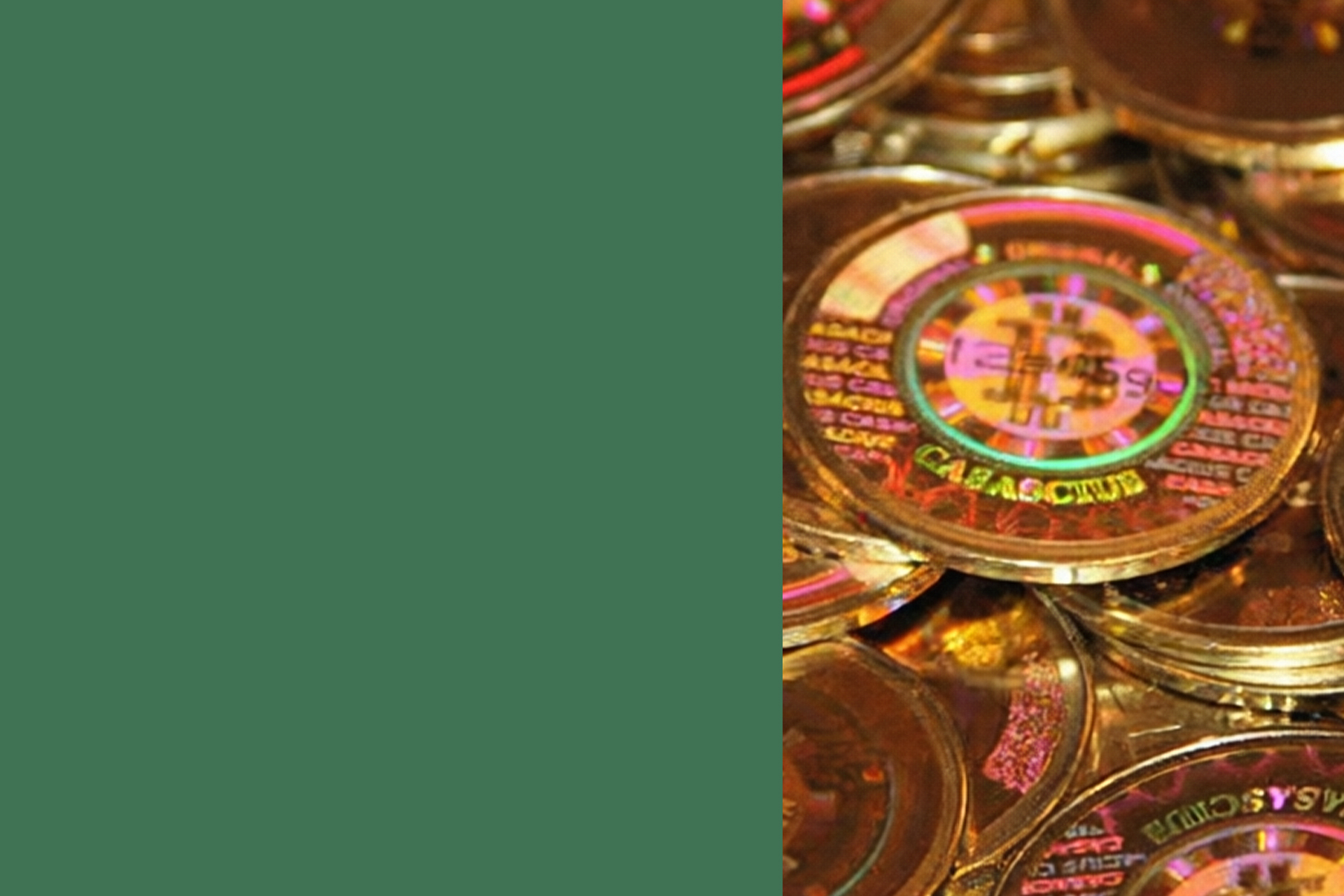
The redemption occurred when the tamper-evident hologram protecting the coin’s private key was removed, allowing the owner to transfer the underlying Bitcoin to a new wallet. The event has attracted significant attention across the cryptocurrency community, not only because of the coin’s value but also because it represents the destruction of a rare piece of Bitcoin history.
The redeemed coin belonged to the iconic Casascius series created by software engineer Mike Caldwell between 2011 and 2013. These physical Bitcoin tokens were among the earliest attempts to bridge the gap between digital assets and traditional physical money. Each coin contained a genuine Bitcoin balance secured by a private key hidden beneath a holographic seal.
Once the seal is removed, the Bitcoin can be spent, but the coin permanently loses much of its collectible value. For collectors, an intact Casascius coin is often worth considerably more than the cryptocurrency it contains because of its historical significance and rarity.
The latest redemption involved a 25 BTC Casascius coin from the earliest generation of the series. At current Bitcoin prices, the digital assets embedded inside the coin were valued at roughly $1.78 million. However, many collectors argue that the untouched physical coin itself may have commanded an additional premium due to its scarcity.
The redeemed coin belonged to the iconic Casascius series created by software engineer Mike Caldwell between 2011 and 2013. These physical Bitcoin tokens were among the earliest attempts to bridge the gap between digital assets and traditional physical money. Each coin contained a genuine Bitcoin balance secured by a private key hidden beneath a holographic seal.
Once the seal is removed, the Bitcoin can be spent, but the coin permanently loses much of its collectible value. For collectors, an intact Casascius coin is often worth considerably more than the cryptocurrency it contains because of its historical significance and rarity.
The latest redemption involved a 25 BTC Casascius coin from the earliest generation of the series. At current Bitcoin prices, the digital assets embedded inside the coin were valued at roughly $1.78 million. However, many collectors argue that the untouched physical coin itself may have commanded an additional premium due to its scarcity.
Rare Casascius Bitcoin Worth $1.78 Million Redeemed After 12 Years
The story of Casascius coins occupies a unique place in Bitcoin’s development. During the early years of cryptocurrency adoption, physical representations of Bitcoin offered users a tangible way to store and exchange digital wealth. Caldwell produced denominations ranging from fractions of a Bitcoin to extraordinary 1,000 BTC coins.
Production came to an end in late 2013 after U.S. regulators informed Caldwell that manufacturing and distributing loaded Bitcoin coins could be interpreted as money transmission activity requiring regulatory compliance. Since then, original Casascius coins have become some of the most valuable and recognizable crypto collectibles in existence.
Thousands of Casascius coins remain unredeemed today. Many continue to hold significant Bitcoin balances, creating an unusual intersection between digital assets and numismatics. Some of the largest denominations still contain hundreds or even thousands of Bitcoin, making them worth tens of millions of dollars at current market valuations.
The redemption arrives amid a broader resurgence of activity among long-dormant Bitcoin holders. Recent blockchain data has shown several early-era wallets becoming active after years of inactivity. In one notable case, a wallet created in 2011 moved 35 BTC after remaining untouched for approximately fifteen years.
Such movements often attract attention because they provide insight into the behavior of Bitcoin’s earliest adopters. Long-term holders control a meaningful portion of the cryptocurrency’s supply, and activity from these wallets is frequently monitored for clues about market sentiment and potential future selling pressure.
The redemption also highlights an interesting economic dilemma. Owners of intact Casascius coins effectively possess two assets simultaneously: the Bitcoin stored within the coin and the collectible premium associated with the physical artifact. Redeeming the Bitcoin unlocks the digital value but permanently destroys much of the coin’s numismatic appeal.
For collectors and cryptocurrency historians, every redeemed Casascius coin reduces the remaining supply of intact examples. As a result, the surviving unopened coins may become even more valuable over time.
Production came to an end in late 2013 after U.S. regulators informed Caldwell that manufacturing and distributing loaded Bitcoin coins could be interpreted as money transmission activity requiring regulatory compliance. Since then, original Casascius coins have become some of the most valuable and recognizable crypto collectibles in existence.
Thousands of Casascius coins remain unredeemed today. Many continue to hold significant Bitcoin balances, creating an unusual intersection between digital assets and numismatics. Some of the largest denominations still contain hundreds or even thousands of Bitcoin, making them worth tens of millions of dollars at current market valuations.
The redemption arrives amid a broader resurgence of activity among long-dormant Bitcoin holders. Recent blockchain data has shown several early-era wallets becoming active after years of inactivity. In one notable case, a wallet created in 2011 moved 35 BTC after remaining untouched for approximately fifteen years.
Such movements often attract attention because they provide insight into the behavior of Bitcoin’s earliest adopters. Long-term holders control a meaningful portion of the cryptocurrency’s supply, and activity from these wallets is frequently monitored for clues about market sentiment and potential future selling pressure.
The redemption also highlights an interesting economic dilemma. Owners of intact Casascius coins effectively possess two assets simultaneously: the Bitcoin stored within the coin and the collectible premium associated with the physical artifact. Redeeming the Bitcoin unlocks the digital value but permanently destroys much of the coin’s numismatic appeal.
For collectors and cryptocurrency historians, every redeemed Casascius coin reduces the remaining supply of intact examples. As a result, the surviving unopened coins may become even more valuable over time.
Casascius coins represent one of the earliest successful attempts to make Bitcoin accessible to mainstream users. Before institutional custody services, hardware wallets, and exchange-traded products existed, these coins provided a physical representation of digital ownership.
Today they serve as historical artifacts documenting Bitcoin’s formative years. Their value is driven not only by the cryptocurrency they contain but also by their cultural significance within the broader blockchain ecosystem.
As Bitcoin matures and institutional adoption accelerates, physical relics from its early history continue to attract growing interest from collectors, investors, and museums seeking to preserve the origins of the digital asset revolution.
Today they serve as historical artifacts documenting Bitcoin’s formative years. Their value is driven not only by the cryptocurrency they contain but also by their cultural significance within the broader blockchain ecosystem.
As Bitcoin matures and institutional adoption accelerates, physical relics from its early history continue to attract growing interest from collectors, investors, and museums seeking to preserve the origins of the digital asset revolution.
The redemption of a 25 BTC Casascius coin worth approximately $1.78 million marks another chapter in Bitcoin’s remarkable history. What was once a physical embodiment of an experimental digital currency has now returned to the blockchain, sacrificing collector value in exchange for liquidity.
At a time when dormant wallets are reactivating and early Bitcoin artifacts are becoming increasingly scarce, such events underscore both the enduring appeal of Bitcoin’s origins and the growing economic significance of its earliest creations.
At a time when dormant wallets are reactivating and early Bitcoin artifacts are becoming increasingly scarce, such events underscore both the enduring appeal of Bitcoin’s origins and the growing economic significance of its earliest creations.
By Jake Sullivan
June 04, 2026
Join us. Our Telegram: @forexturnkey
All to the point, no ads. A channel that doesn't tire you out, but pumps you up.
June 04, 2026
Join us. Our Telegram: @forexturnkey
All to the point, no ads. A channel that doesn't tire you out, but pumps you up.





Report
My comments