




Agro-Forex in the Era of Climate Shifts: Why Coffee and Sugar Are Becoming More Volatile Than Bitcoin and How Small Brokers Can Enter This Market
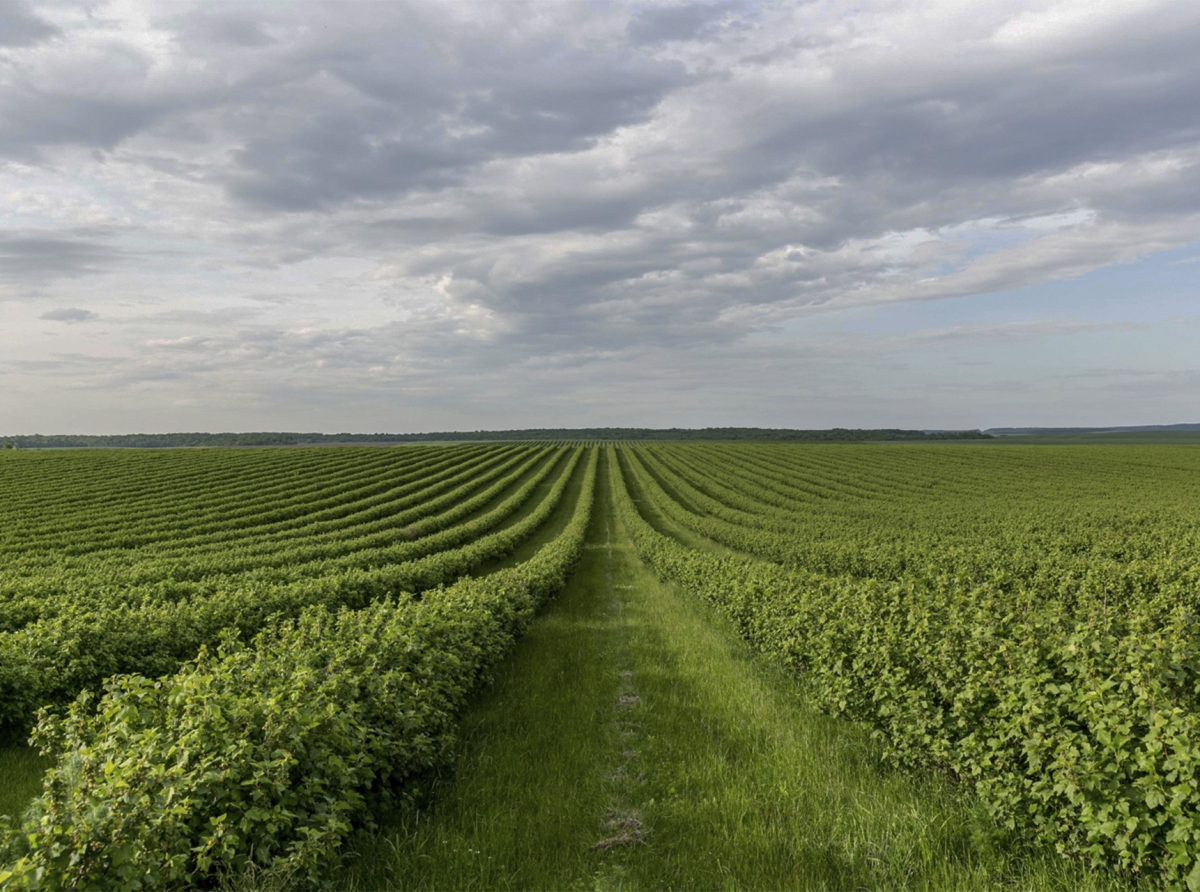
Agro-Forex in the Era of Climate Shifts: Why Coffee and Sugar Are Becoming More Volatile Than Bitcoin and How Small Brokers Can Enter This Market
Climate change is transforming agricultural commodity markets, making products like coffee and sugar increasingly volatile. Extreme weather, supply disruptions, and global demand shifts create trading opportunities similar to cryptocurrency markets. For small brokers, agro-forex represents an emerging niche where specialized instruments and targeted trading products can attract new clients.
Over the past decade, global commodity markets have undergone a structural transformation driven by climate change, supply disruptions, and shifting agricultural economics. Among the most notable developments is the growing volatility of agricultural commodities such as coffee and sugar. These markets, traditionally considered relatively stable compared to digital assets, are now experiencing price swings that rival — and sometimes exceed — the fluctuations seen in cryptocurrency markets.
For brokers and traders, this new environment has created a unique opportunity. Agricultural commodities are becoming increasingly attractive trading instruments, especially for platforms seeking alternatives to overcrowded forex and cryptocurrency segments. In particular, small and medium-sized brokers are beginning to explore the potential of agro-forex — a niche that blends agricultural commodities with modern trading infrastructure.
For brokers and traders, this new environment has created a unique opportunity. Agricultural commodities are becoming increasingly attractive trading instruments, especially for platforms seeking alternatives to overcrowded forex and cryptocurrency segments. In particular, small and medium-sized brokers are beginning to explore the potential of agro-forex — a niche that blends agricultural commodities with modern trading infrastructure.
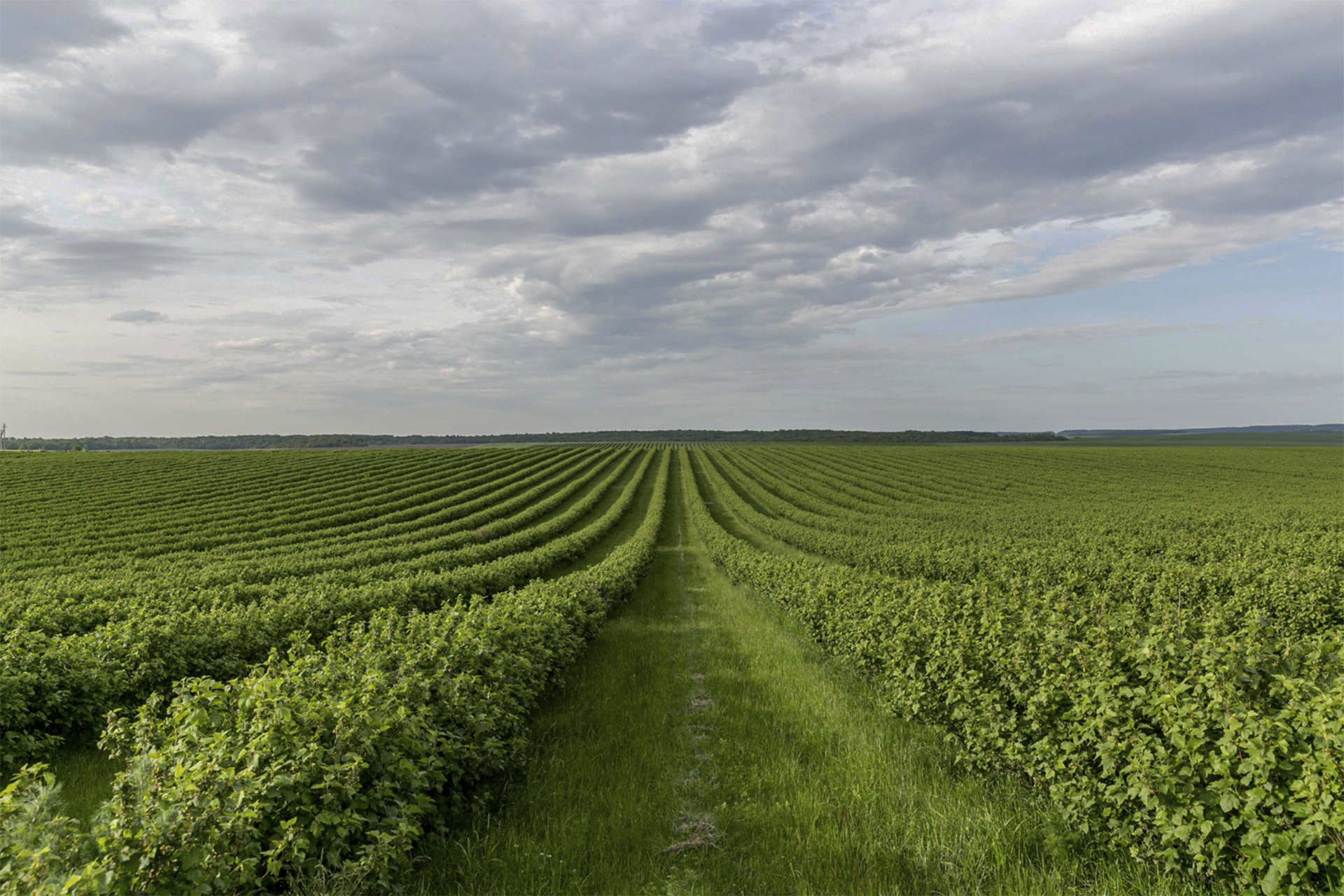
Agro-Forex in the Era of Climate Shifts: Why Coffee and Sugar Are Becoming More Volatile Than Bitcoin and How Small Brokers Can Enter This Market
Climate Change as a Market Driver
Agricultural commodities are uniquely sensitive to environmental conditions. Crops such as coffee and sugar depend heavily on temperature patterns, rainfall cycles, and soil conditions. As climate change intensifies extreme weather events, these crops are increasingly exposed to unpredictable production outcomes.Major producing regions have experienced severe droughts, unexpected frosts, and irregular rainfall patterns in recent years. These environmental shocks can reduce harvest volumes, disrupt supply chains, and trigger rapid price adjustments on global commodity exchanges.
Unlike many industrial commodities, agricultural products cannot easily compensate for sudden production losses. When a crop cycle fails due to climate conditions, global supply may remain constrained for an entire season. This structural limitation amplifies price volatility and increases speculative trading activity.
Coffee Markets Under Pressure
Coffee production is particularly vulnerable to climate disruptions. The crop grows within a narrow geographical band known as the “coffee belt,” where specific temperature and altitude conditions are required for optimal cultivation.Even small shifts in climate patterns can significantly affect yields. Frost events in key producing regions or prolonged drought periods can damage plantations and reduce global output. At the same time, global coffee consumption continues to grow steadily, especially in emerging markets and urban economies.
This imbalance between supply uncertainty and stable demand has transformed coffee futures into highly reactive instruments. Price movements that once unfolded gradually over months can now occur within days, attracting both institutional traders and retail speculators.
Sugar and the Energy Connection
Sugar markets are influenced not only by agricultural conditions but also by energy dynamics. In several producing countries, sugarcane can be used either for food production or for ethanol fuel. This dual-use characteristic links sugar prices to energy markets.When oil prices rise, ethanol production becomes more attractive, encouraging producers to redirect sugarcane toward fuel manufacturing rather than food supply. This shift reduces the amount of sugar available for global markets and can trigger sharp price increases.
Climate variability adds another layer of uncertainty. Droughts, floods, or temperature anomalies can significantly affect sugarcane harvests, creating supply shortages that quickly translate into market volatility.
The combination of agricultural risk and energy market correlation has turned sugar into one of the most dynamic commodities in the agro-forex segment.
Why Agricultural Commodities Can Rival Crypto Volatility
Cryptocurrencies gained their reputation for volatility due to speculative demand, regulatory uncertainty, and rapid technological innovation. However, agricultural commodities are now experiencing comparable levels of price fluctuation — driven by real-world supply constraints.Unlike digital assets, agricultural products are tied to physical production cycles. When extreme weather damages crops or disrupts harvests, the resulting supply shock is immediate and difficult to offset.
This structural rigidity means that price reactions can be intense. Markets must quickly reprice future supply expectations, leading to sharp upward or downward movements. In some cases, these price swings occur faster than traders anticipate, creating trading environments similar to highly speculative asset classes.
For brokers and trading platforms, these dynamics open new possibilities for diversified product offerings.
Opportunities for Small Brokers
Large financial institutions have traditionally dominated commodity trading, but modern trading technology has lowered barriers to entry. Today, smaller brokerage firms can access commodity liquidity through prime brokers and aggregated liquidity providers.By offering contracts for difference (CFDs) on agricultural commodities, brokers can provide retail traders with exposure to coffee, sugar, and other agro-assets without requiring direct participation in futures exchanges.
This approach allows smaller brokers to diversify their product range while tapping into growing interest in commodity trading. Agricultural instruments also appeal to traders seeking alternatives to saturated forex pairs and increasingly competitive cryptocurrency markets.
Building an Agro-Forex Product Strategy
Entering the agro-forex segment requires more than simply listing new instruments. Brokers must understand the unique characteristics of agricultural markets, including seasonal trends, production cycles, and geopolitical influences.Educational content plays an important role in attracting traders to these markets. Many retail investors are unfamiliar with agricultural commodities, so providing insights into crop reports, weather impacts, and supply forecasts can help build client engagement.
Risk management is equally important. Agricultural markets can move rapidly during supply shocks, so brokers must ensure adequate liquidity management and pricing stability.
As climate change continues to reshape global agriculture, commodity markets are likely to remain highly sensitive to environmental developments. Weather anomalies, water shortages, and shifting cultivation zones will increasingly influence crop yields and global supply dynamics.
This transformation may further integrate agricultural commodities into mainstream financial trading. What was once considered a niche sector could become a central component of diversified trading portfolios.
For small brokers willing to explore emerging markets, agro-forex offers a strategic opportunity. By combining modern trading infrastructure with growing commodity volatility, brokers can position themselves within a segment that may define the next stage of financial market evolution.
This transformation may further integrate agricultural commodities into mainstream financial trading. What was once considered a niche sector could become a central component of diversified trading portfolios.
For small brokers willing to explore emerging markets, agro-forex offers a strategic opportunity. By combining modern trading infrastructure with growing commodity volatility, brokers can position themselves within a segment that may define the next stage of financial market evolution.
By Jake Sullivan
March 09, 2026
Join us. Our Telegram: @forexturnkey
All to the point, no ads. A channel that doesn't tire you out, but pumps you up.
March 09, 2026
Join us. Our Telegram: @forexturnkey
All to the point, no ads. A channel that doesn't tire you out, but pumps you up.





Report
My comments