



Jailscraper: Why New York Is Building the World's Tallest Prison
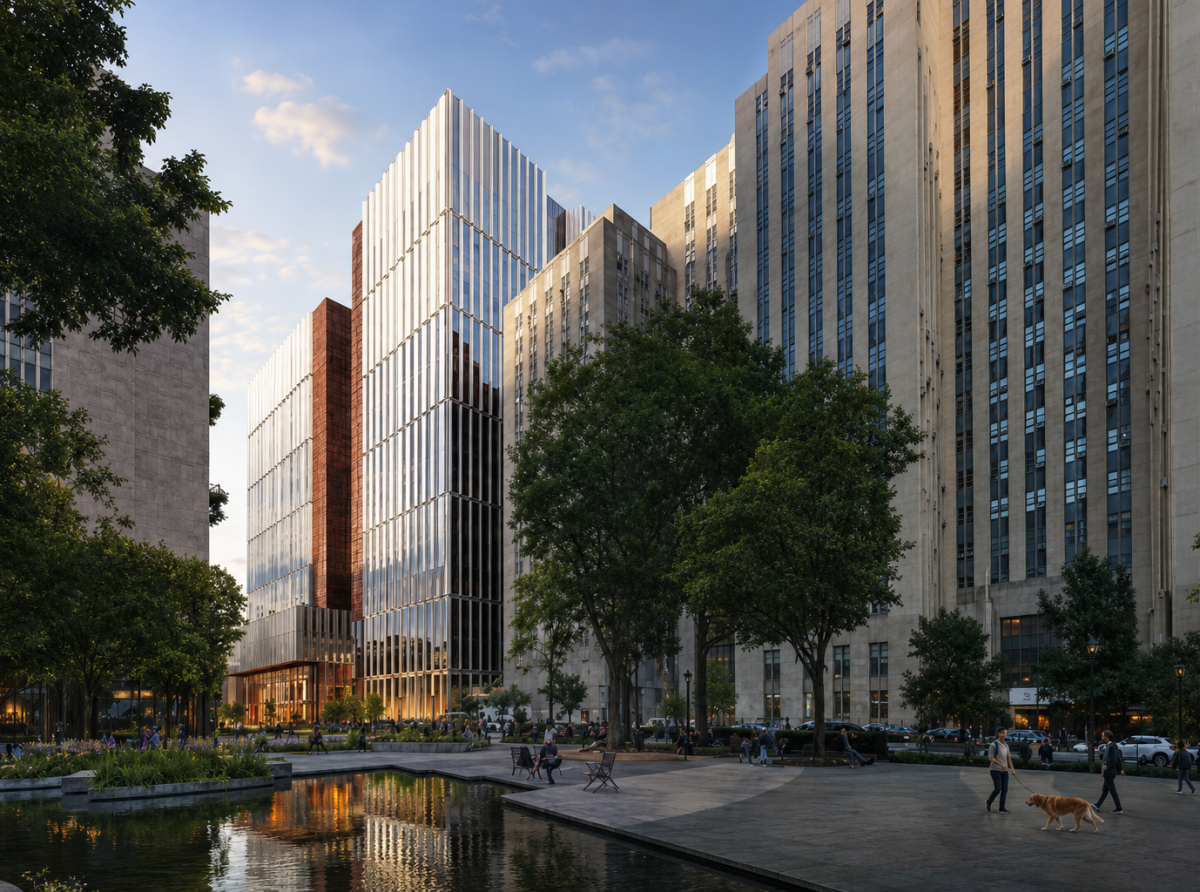
Jailscraper: Why New York Is Building the World's Tallest Prison
New York City is constructing a 40-story detention facility in Manhattan's Chinatown that is expected to become the tallest prison in the world upon completion. The project, estimated to cost approximately $3.8 billion and scheduled to open in 2032, forms part of the city's broader plan to close the notorious Rikers Island jail complex and replace it with four borough-based detention centers. Supporters argue the project represents a major correctional reform designed to improve safety, healthcare, and access to courts. Critics counter that escalating costs, construction delays, and impacts on Chinatown residents make the project one of the most controversial public infrastructure initiatives in the United States.
The Rise of the World's Tallest Prison
New York has never been afraid of building vertically. From skyscrapers and luxury towers to office complexes and residential developments, the city has long solved space limitations by building upward.Now it is applying the same logic to incarceration.
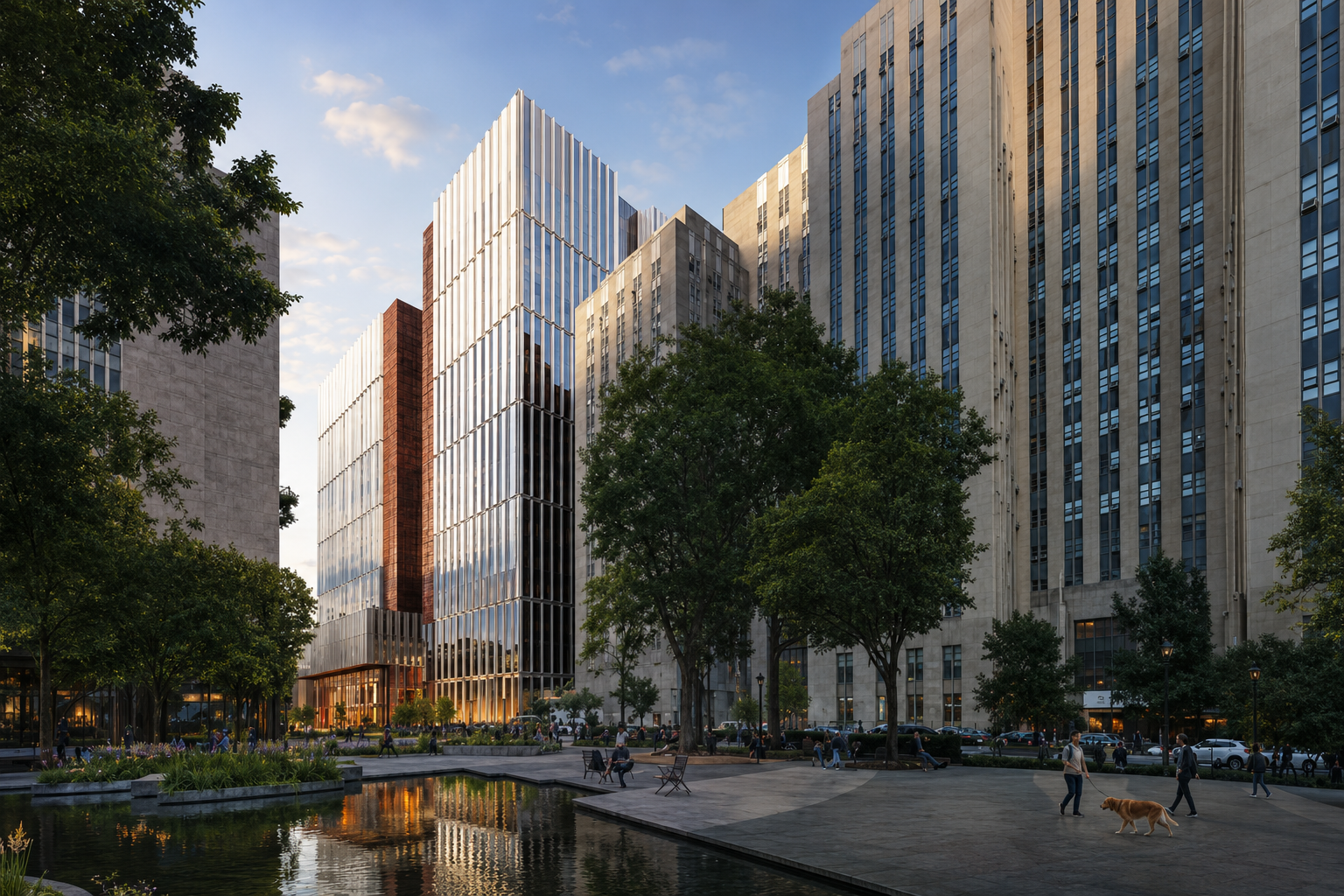
The facility unofficially known as the "Jailscraper" is rising at 124-125 White Street in Manhattan's Chinatown, replacing the aging detention center commonly known as The Tombs. Upon completion, the structure will stand approximately 300 feet tall, making it the tallest prison building ever constructed.
The project is unlike anything currently operating in the American correctional system. Traditional prisons typically spread horizontally across large areas of land. New York, constrained by geography and land prices, has chosen a vertical model.
That decision has transformed a correctional facility into a symbol of a much larger debate about criminal justice, urban planning, and political priorities.
A local business owner in Chinatown recently described the situation as watching two visions of New York collide. One side sees overdue reform. The other sees a massive government project reshaping a historic neighborhood without community consent.
Jailscraper: Why New York Is Building the World's Tallest Prison
Why New York Wants to Close Rikers Island
The Jailscraper exists because of a much larger problem: Rikers Island.For decades, Rikers has faced criticism over violence, overcrowding, staffing shortages, medical neglect, and inmate safety. The facility has become one of the most controversial correctional complexes in America.
City lawmakers approved a plan requiring Rikers Island to close and be replaced with smaller borough-based detention facilities. The goal was straightforward. Instead of housing detainees on an isolated island in the East River, inmates would remain closer to courts, attorneys, family members, and support networks.
Supporters argue proximity matters.
Defendants transported from Rikers often face long commutes to court hearings. Family visits can become difficult and expensive. Legal access is frequently complicated by geography.
The borough-based jail strategy attempts to address those challenges while modernizing detention infrastructure across New York City.
However, implementation has proven significantly more difficult than originally expected.
A Reform Project Becoming More Expensive
One of the biggest challenges facing the borough-based jail program is cost.Initial estimates projected approximately $8.7 billion for the entire four-jail system. More recent figures place total costs closer to $13.7 billion, representing an increase of more than 57%.
The Manhattan facility alone has climbed from approximately $2.13 billion to nearly $3.8 billion.
At the same time, completion schedules have slipped considerably. The original legal deadline required the closure of Rikers Island by August 2027. Current projections suggest some facilities may not open until 2032.
For investors and economists, these numbers illustrate a familiar pattern. Large public infrastructure projects frequently encounter cost inflation, labor shortages, regulatory complexity, and construction delays.
For taxpayers, the question becomes whether the final result justifies the growing expense.
Why Chinatown Residents Are Fighting Back
The strongest opposition comes from Chinatown itself.Residents and community organizations argue that the project places an enormous burden on one of Manhattan's most historic immigrant neighborhoods. Chinatown has served as a cultural, commercial, and social center for generations of Chinese-American families.
Critics fear the prison tower will permanently alter the area's character.
Concerns extend beyond aesthetics. Residents have raised questions about construction dust, air quality, traffic disruptions, economic impacts, and structural stability in neighboring buildings.
Some community leaders argue the project sends the wrong message about the neighborhood's future. They fear Chinatown could become more closely associated with incarceration than with its cultural heritage and economic contributions.
The debate highlights a recurring challenge in urban development. Infrastructure projects often serve citywide objectives while concentrating local costs on specific communities.
In practice, that tension frequently becomes the defining political battle.
Can a Vertical Prison Actually Work?
Building upward introduces unique operational challenges.Unlike traditional correctional facilities, a vertical prison depends heavily on elevators, controlled movement systems, and complex logistics. Every inmate transfer, court appearance, medical visit, or emergency response involves navigating multiple floors.
Correctional experts have debated whether high-rise detention facilities can achieve the same operational efficiency as horizontal campuses.
There are precedents. Some urban detention centers have successfully operated within vertical structures. Yet none match the scale and visibility of New York's proposed Manhattan facility.
Supporters argue modern technology, surveillance systems, and building design make vertical detention practical.
Critics worry that elevators could become bottlenecks, emergencies could be more difficult to manage, and operational costs may remain elevated throughout the building's lifespan.
The Jailscraper therefore serves as a real-world experiment in correctional architecture.
The Capacity Problem Nobody Has Solved
Even if every planned jail opens on schedule, another challenge remains.The four borough-based detention centers are expected to accommodate significantly fewer inmates than Rikers currently houses. This gap has generated criticism from correctional officers, labor organizations, and some policy analysts.
Supporters argue the city intends to reduce jail populations through criminal justice reforms, diversion programs, and alternatives to detention.
Skeptics question whether those reductions can be achieved quickly enough.
The debate reflects a broader national conversation occurring across the United States, Canada, and parts of Europe. Policymakers increasingly seek to reduce incarceration rates while maintaining public safety. The success of such efforts often depends on social services, mental health resources, housing availability, and economic opportunity.
Infrastructure alone cannot solve those challenges.
What the New Facilities Promise
Advocates of the borough-based jail strategy emphasize that these facilities are designed differently from older detention centers.Plans include healthcare services, educational resources, improved visitation areas, and more humane living environments. Some locations will feature dedicated spaces intended to strengthen family connections and support rehabilitation.
The philosophy reflects a shift occurring across many developed nations. Modern correctional policy increasingly focuses not only on confinement but also on reducing recidivism and improving reintegration outcomes.
Whether those goals can be achieved remains uncertain.
What is certain is that New York is making one of the largest correctional infrastructure investments in modern American history.
The Future of the Jailscraper
The Manhattan Jailscraper has become more than a prison project.For supporters, it represents long-overdue reform and a necessary step toward replacing a deeply troubled correctional system.
For critics, it symbolizes government overreach, escalating public spending, and disregard for local communities.
By 2032, New Yorkers may view the tower as a landmark of successful reform. They may also see it as a cautionary tale about ambitious public projects that grew larger, more expensive, and more controversial than anyone anticipated.
The outcome will determine whether the world's tallest prison becomes a symbol of progress—or a monument to misplaced priorities.
Written by Ethan Blake
Independent researcher, fintech consultant, and market analyst.
June 18, 2026
Join us. Our Telegram: @forexturnkey
All to the point, no ads. A channel that doesn't tire you out, but pumps you up.
Independent researcher, fintech consultant, and market analyst.
June 18, 2026
Join us. Our Telegram: @forexturnkey
All to the point, no ads. A channel that doesn't tire you out, but pumps you up.





Report
My comments