




The Thin Market Effect During Holidays: Why Volatility Changes and How Traders Can Benefit
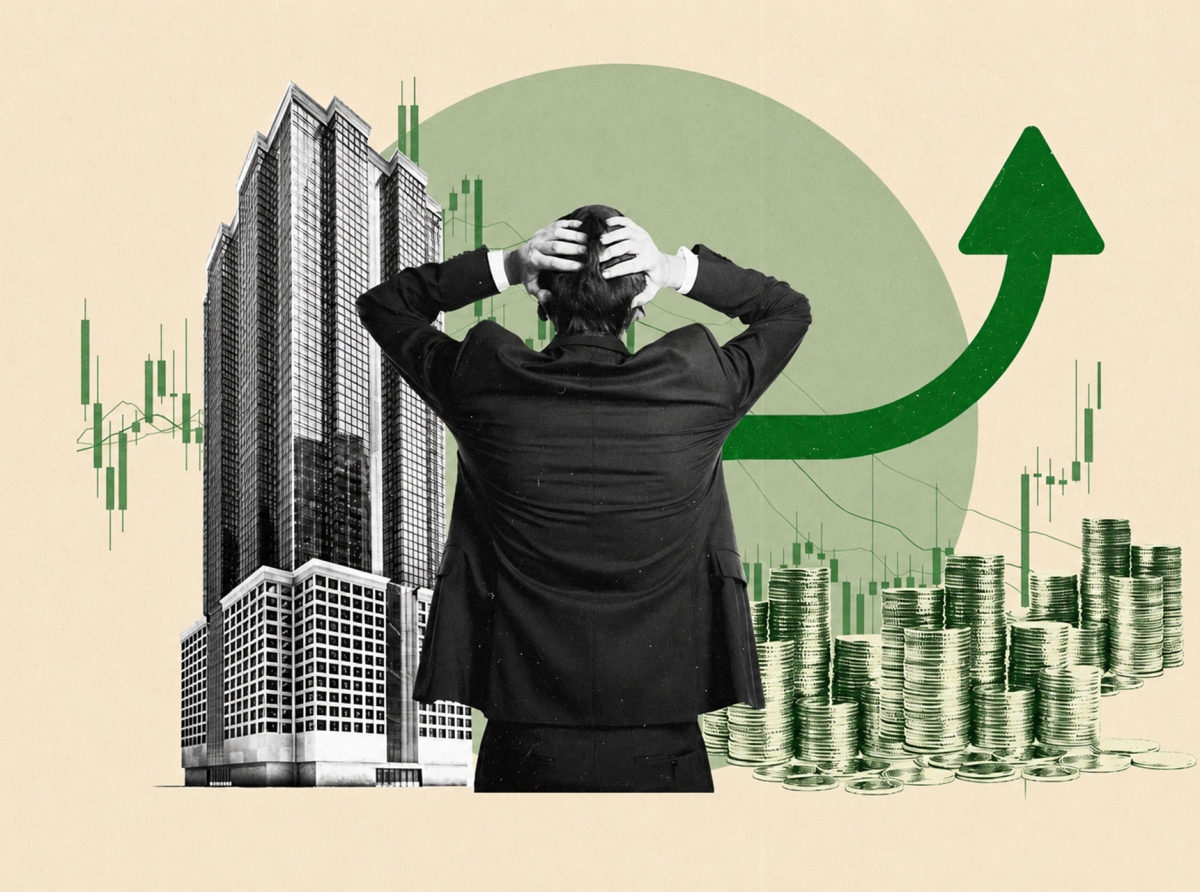
The Thin Market Effect During Holidays: Why Volatility Changes and How Traders Can Benefit
Holiday and pre-holiday Forex markets behave differently because institutional participation declines and liquidity becomes thinner. Reduced liquidity can either suppress volatility or amplify sudden price swings, making technical signals less reliable and execution more difficult.
Professional traders typically lower risk, reduce position sizes, and adapt their strategies rather than trading aggressively during these periods.
Professional traders typically lower risk, reduce position sizes, and adapt their strategies rather than trading aggressively during these periods.
The Thin Market Effect During Holidays: Why Volatility Changes and How Traders Can Benefit
Financial markets never stop reacting to information, but they do not always react with the same intensity. One of the least appreciated realities of Forex trading is that identical economic news can produce completely different price movements depending on market participation. During major holidays and the sessions immediately before or after them, the market structure itself changes. Liquidity declines, institutional activity slows, order books become thinner, and price discovery becomes less efficient. These conditions create what professional traders commonly describe as a thin market.For inexperienced traders, reduced activity often appears to mean lower risk because price moves become smaller during many holiday sessions. In reality, the opposite can also occur. Lower liquidity means fewer orders are available to absorb aggressive buying or selling. As a result, relatively modest transactions may trigger disproportionately large price swings, unexpected spikes, and false technical signals that would rarely appear under normal market conditions.
Understanding why these structural changes occur - and adapting accordingly - is often more valuable than attempting to predict individual price movements.
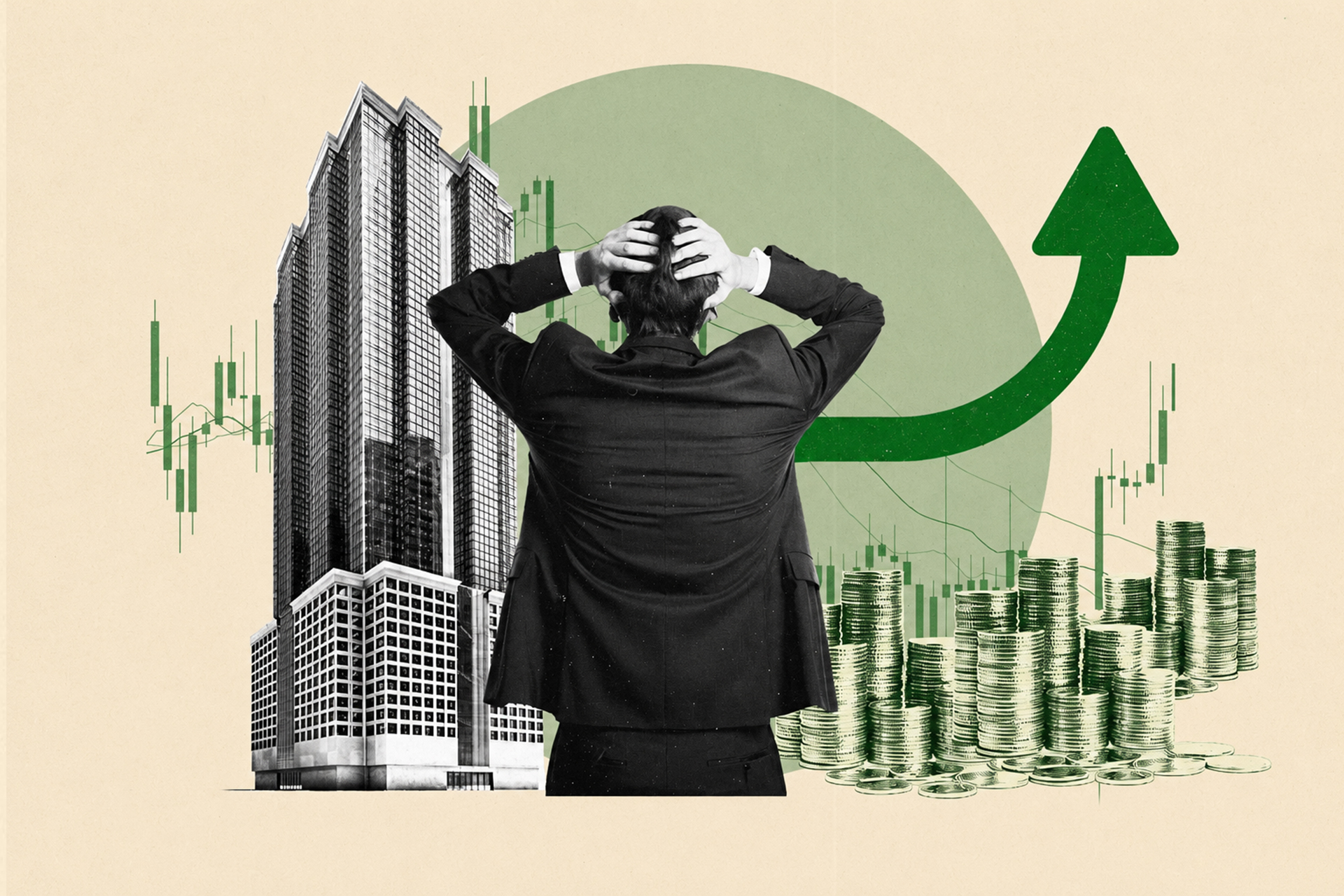
The Thin Market Effect During Holidays: Why Volatility Changes and How Traders Can Benefit
Why Holiday Liquidity Matters More Than News
Forex is the world's largest financial market because trading activity follows the business day across Asia, Europe, and North America. Banks, hedge funds, multinational corporations, pension funds, asset managers, and algorithmic trading firms continuously provide liquidity during normal conditions.Holiday periods interrupt this balance.
When financial centers such as London, New York, Tokyo, Frankfurt, Zurich, or Singapore close for national holidays, many institutional participants simply disappear from the market. Dealers reduce inventories, market makers widen bid-ask spreads, and large investment firms postpone execution of significant orders until liquidity returns.
This creates an environment where price movements become increasingly sensitive to order flow rather than fundamental information.
A market does not necessarily need major news to become volatile. Sometimes the absence of liquidity is sufficient.
Why Volatility Can Collapse—or Suddenly Explode
The popular assumption that holidays always produce quiet markets is only partially correct.During many holiday sessions, realized volatility falls because institutional traders deliberately avoid opening new positions. Major trends often pause while trading ranges narrow considerably.
However, thin markets can produce the opposite outcome when unexpected orders appear.
A single institutional transaction, central bank operation, geopolitical headline, or macroeconomic surprise may move prices significantly further than it would during a fully liquid session because fewer counterparties are available to absorb the flow.
This explains why traders occasionally witness unusually large candles despite seemingly insignificant news. The market has not become more emotional.
It has simply become less liquid.
Why Technical Analysis Often Becomes Less Reliable
Most technical indicators assume relatively stable market participation.Support and resistance levels become meaningful because thousands of independent market participants collectively respond around similar price zones.
Holiday conditions weaken this mechanism.
Breakouts occur more easily because fewer resting orders exist near important technical levels. False breakouts become more frequent because follow-through buying or selling never materializes after the initial move.
Trend-following systems often suffer during these periods, while mean-reversion strategies may perform better under reduced participation.
Professional traders therefore adjust expectations instead of forcing the same strategy into every market environment.
Institutional Traders Usually Reduce Risk—Not Increase It
Retail traders often view quieter markets as an opportunity to increase leverage.Institutional investors generally do the opposite.
Banks frequently reduce position sizes before extended holidays. Hedge funds may close profitable trades early rather than expose portfolios to weekend geopolitical risk or unexpected macroeconomic developments occurring while liquidity remains limited.
This difference illustrates an important principle of professional risk management.
Market opportunity depends not only on expected return but also on execution quality.
When liquidity deteriorates, execution risk becomes an increasingly important variable.
The Hidden Cost of Wider Spreads
Many traders focus exclusively on price movement while overlooking transaction costs.During thin-market conditions, bid-ask spreads frequently widen as liquidity providers demand greater compensation for assuming inventory risk.
Even if price volatility appears low, wider spreads increase trading costs and reduce the probability of successful short-term strategies.
Scalping systems become particularly vulnerable because their expected profits often depend on extremely small price differences.
What appears to be a stable market may actually become significantly more expensive to trade.
A Practical Example
Consider a trader using a breakout strategy on EUR/USD during a normal London-New York overlap. Under regular liquidity conditions, a breakout above resistance is typically supported by institutional participation from both regions, increasing the probability that momentum continues.Now imagine the identical technical setup during the week between Christmas and New Year, when many banks and asset managers operate with reduced staff or remain closed.
The breakout may initially appear convincing, but limited buying interest quickly causes momentum to fade. Prices reverse back into the previous trading range, triggering stop-loss orders before returning to equilibrium.
The technical pattern remained identical. The market structure did not.
That distinction often separates professional execution from costly mistakes.
Volatility Does Not Disappear - It Changes Character
Holiday trading demonstrates an important lesson about financial markets.Volatility should not be viewed solely as the size of price movements. Equally important is the quality of liquidity supporting those movements.
High-liquidity volatility often reflects genuine shifts in market consensus.
Thin-market volatility frequently reflects temporary imbalances between buyers and sellers.
Recognizing the difference helps traders avoid interpreting random price fluctuations as meaningful trends.
Risk Management Becomes Even More Important
Thin markets reward patience more than aggressiveness.Reducing leverage, widening expectations for slippage, avoiding unnecessary overnight exposure, and waiting for institutional liquidity to return often prove more profitable than attempting to exploit every apparent opportunity.
Professional traders understand that preserving capital during unfavorable market conditions creates flexibility when liquidity normalizes and higher-quality opportunities emerge.
The objective is not constant activity. It is consistent decision-making.
Thin-market conditions remind traders that price is only one dimension of market behavior. Liquidity determines how efficiently prices respond to information, how reliably technical patterns develop, and how costly execution becomes. Holiday sessions therefore represent not merely quieter trading days but fundamentally different market environments requiring adjusted expectations, disciplined risk management, and greater patience. Those who understand the mechanics of liquidity are less likely to mistake temporary market noise for sustainable opportunity.
Written by Ethan Blake
Independent researcher, fintech consultant, and market analyst.
July 06, 2026
Join us. Our Telegram: @forexturnkey
All to the point, no ads. A channel that doesn't tire you out, but pumps you up.
Independent researcher, fintech consultant, and market analyst.
July 06, 2026
Join us. Our Telegram: @forexturnkey
All to the point, no ads. A channel that doesn't tire you out, but pumps you up.





Report
My comments