



U.S. and Iran Sign Peace Deal — War Ends Overnight, Markets Scream “BUY”
U.S. and Iran Sign Peace Deal — War Ends Overnight, Markets Scream “BUY”
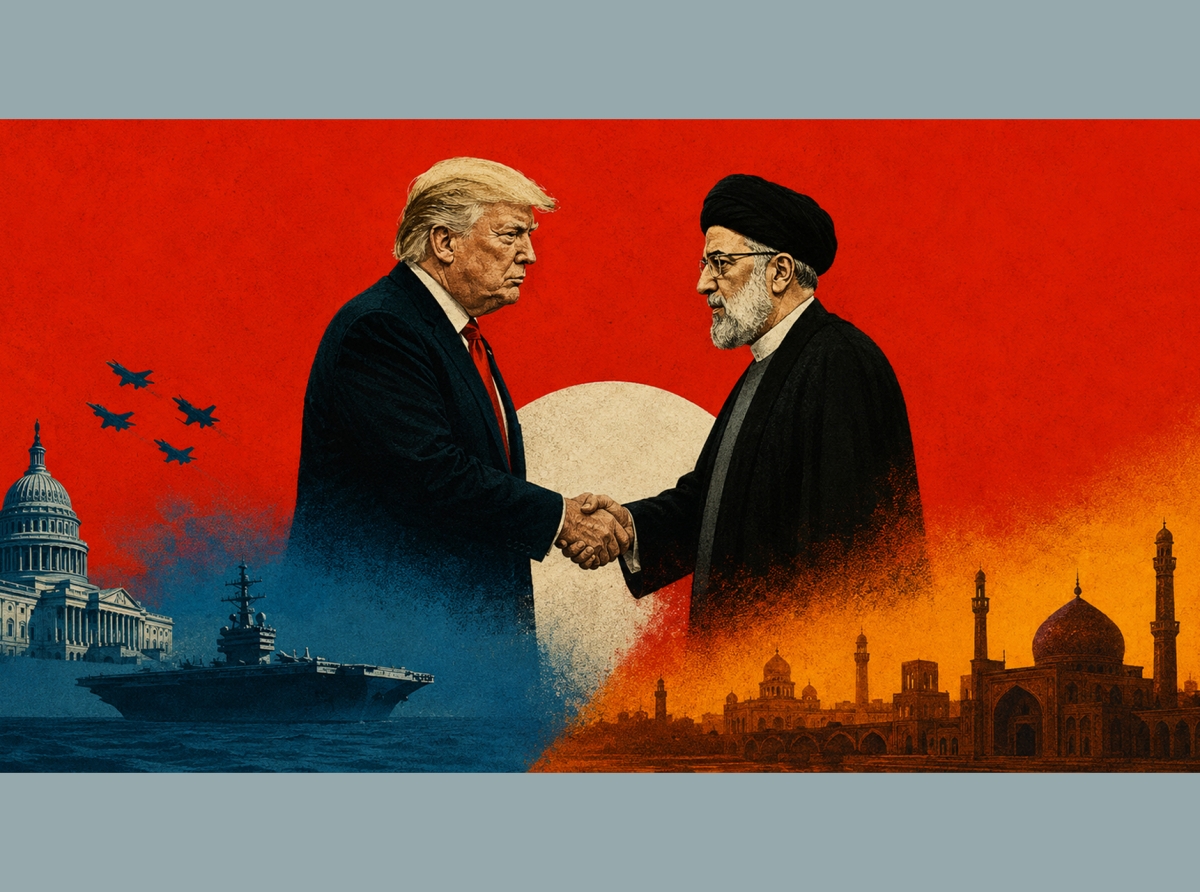
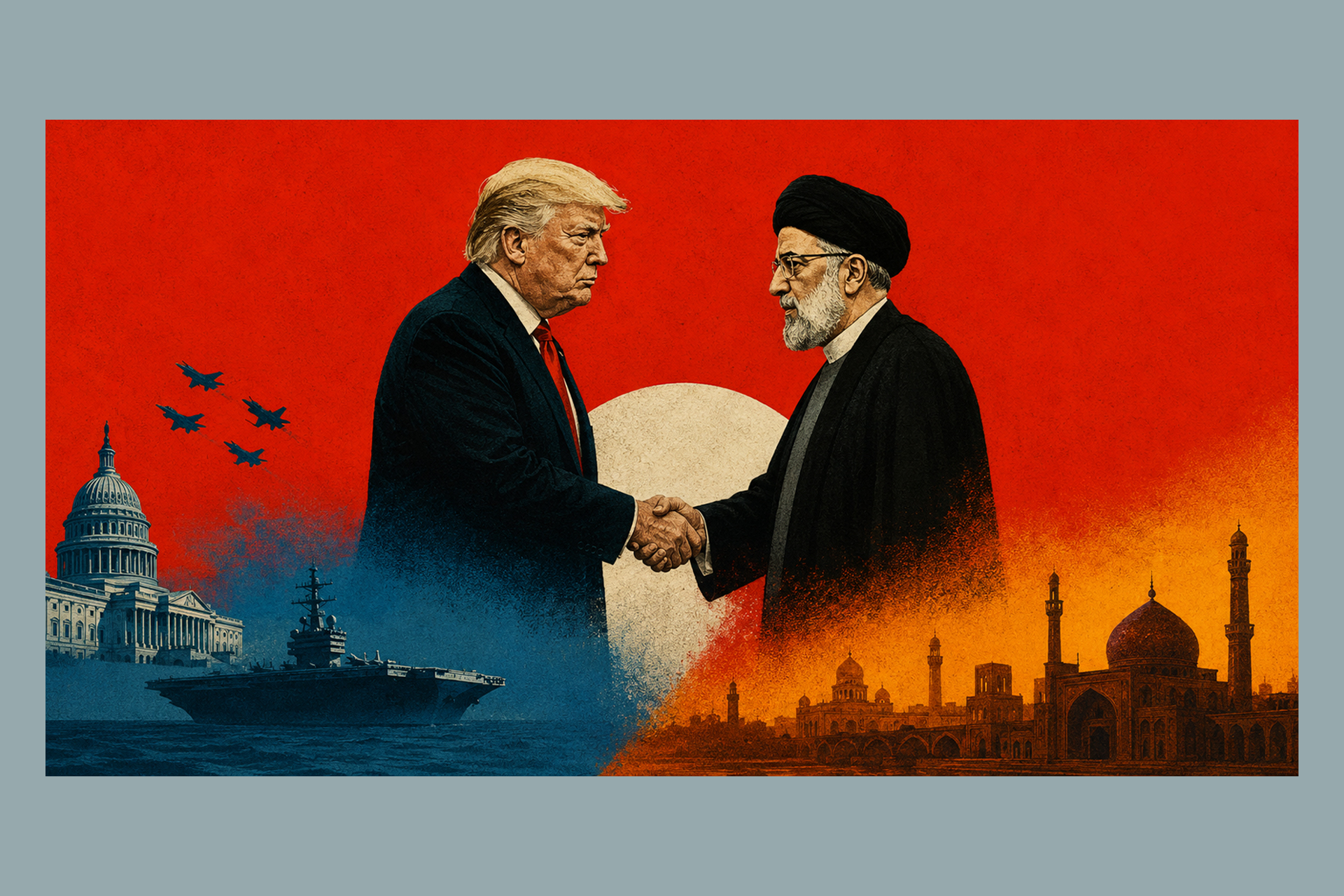
The world got a shock this weekend: the United States and Iran have reached a peace deal that will end war in the Middle East. The official signing is set for Friday—and the market reaction has already been explosive.
U.S. stock futures surged, Japan’s Nikkei index jumped 5%, and SoftBank shares skyrocketed more than 12%. Investors are cheering the deal as a historic pause button on one of the year’s most dangerous geopolitical risks.
But is this the real ceasefire? Or just another postponement of a gathering storm?
U.S. stock futures surged, Japan’s Nikkei index jumped 5%, and SoftBank shares skyrocketed more than 12%. Investors are cheering the deal as a historic pause button on one of the year’s most dangerous geopolitical risks.
But is this the real ceasefire? Or just another postponement of a gathering storm?
The Deal That Changed Everything
American and Iranian officials announced a peace agreement that will officially bring an end to military conflict in the Middle East. The deal includes a formal signing ceremony this Friday, signaling a dramatic reverse from the week’s escalating airstrikes, airspace closures, and maritime threats.The deal reportedly includes:
An immediate ceasefire across all contested zones
A framework for future diplomatic negotiations
Limits on military activities and regional proxy engagement
This is the first time the U.S. and Iran have publicly committed to a formal agreement that ends active combat in the region.
Market Explosion: The “Peace Rally” Is Real
The market response was immediate and ferocious:
U.S. stock futures jumped sharply ahead of the deal’s announcement
Japan’s Nikkei 225 rose 5% in one day, marking its biggest single-day gain since February
SoftBank shares surged more than 12%, the highest gain in the company’s trading history
Gold prices fell back from record highs, as investors unloaded safe-haven assets
Oil prices softened slightly, though still elevated due to lingering supply concerns
The overnight rally was driven by one core fear finally retreating: the risk of a prolonged Middle Eastern war that could disrupt global energy flows, damage shipping routes, and trigger a global volatility spike.
Investors are now betting the deal will stabilize geopolitical risk and allow equities to re-enter the “risk-on” zone.
Why the Skepticism?
Even with the headlines screaming “PEACE,” skepticism remains. Critics ask:
Can Tehran and Washington truly trust each other?
Will proxy groups in Lebanon, Syria, and Iraq comply with the ceasefire?
What happens if one side violates the deal?
Trump himself called the previous ceasefire “the most violated ceasefire in history,” and tensions have been so high that Iranian officials warned the war “would not be limited to the region” if strikes continued.
This loss of trust is why many analysts are calling this deal a “pause” rather than a “permanent peace.”
U.S. and Iran Sign Peace Deal — War Ends Overnight, Markets Scream “BUY”
Regional Risks That Could Flip the Script
- Even if the U.S. and Iran sign the deal, the Middle East remains a minefield.
- Israel’s northern border remains threatened by launches from Lebanon
- Kuwait and Bahrain have closed airspace and warned of aerial threats
- The Strait of Hormuz remains a critical chokepoint vulnerable to political disruption
- Iran’s internal politics could shift the government’s stance overnight
- If any of these friction points ignite, the deal could collapse just like past agreements.
What Comes Next? Analyst Forecasts
Bull Case: Peace Stabilizes the RegionStocks: S&P 500 rises 3–5% over the next month as risk premium falls
Oil: Brent back to $85–$90/bbl within 60 days if Hormuz remains open
Gold: Retreats toward $1,900–$2,000 as safe-haven demand fades
Risk assets: High-growth tech stocks and EM equities outperform
Bear Case: Deal Falls Apart
Stocks: Sharp selloff if violence resumes; S&P down 8–12% in a month
Oil: Brent could surge to $150/bbl if Hormuz is blocked
Gold: Rebounds to $2,200+ amid renewed safe-haven flows
Risk assets: EM assets and high-beta stocks underperform
Baseline Case: Temporary Calm
Stocks: Moderate gains of 2–3% over the next month
Oil: Stable between $92–$100/bbl
Gold: Fluctuates between $2,000 and $2,100
Risk assets: Balanced performance with selective opportunities
What Traders Should Do Now
Hedge oil exposure with short-dated optionsReduce defensive allocations, rotate into growth tech and EM equities
Increase liquidity for tactical entries if volatility spikes
Watch for Hormuz shipping data and insurance rate changes
The U.S.-Iran peace deal is the biggest geopolitical shock of 2026.
But the devil is in the details. Markets are celebrating. Investors are buying.
But the question remains: Will this deal hold, or is this just the calm before the next storm?
------------------------
P.S. Israel’s Ben Gvir: We're not bound by Iran, US deal
By Miles Harrington
June 15, 2026
Join us. Our Telegram: @forexturnkey
All to the point, no ads. A channel that doesn't tire you out, but pumps you up.
June 15, 2026
Join us. Our Telegram: @forexturnkey
All to the point, no ads. A channel that doesn't tire you out, but pumps you up.




Report
My comments