




War With Iran Threatens the $11.7 Trillion Global Travel Industry

War With Iran Threatens the $11.7 Trillion Global Travel Industry
The Iran war is already disrupting the global travel sector, forcing airlines to cancel more than 20,000 flights and leaving over one million passengers stranded worldwide. The crisis highlights how geopolitical conflicts can quickly impact aviation, tourism, and international mobility, putting pressure on an industry worth $11.7 trillion and forcing airlines, hotels, and cruise companies to rapidly adjust routes, operations, and pricing strategies.
War With Iran Threatens the $11.7 Trillion Global Travel Industry
The escalating conflict involving Iran, the United States, and Israel is rapidly transforming from a regional military confrontation into a global economic shock. One of the first industries to experience immediate consequences is international travel. As airspace closures spread across the Middle East and military activity intensifies, airlines, cruise operators, hotels, and tourism-dependent economies are facing disruptions that threaten a sector estimated to generate $11.7 trillion annually for the global economy.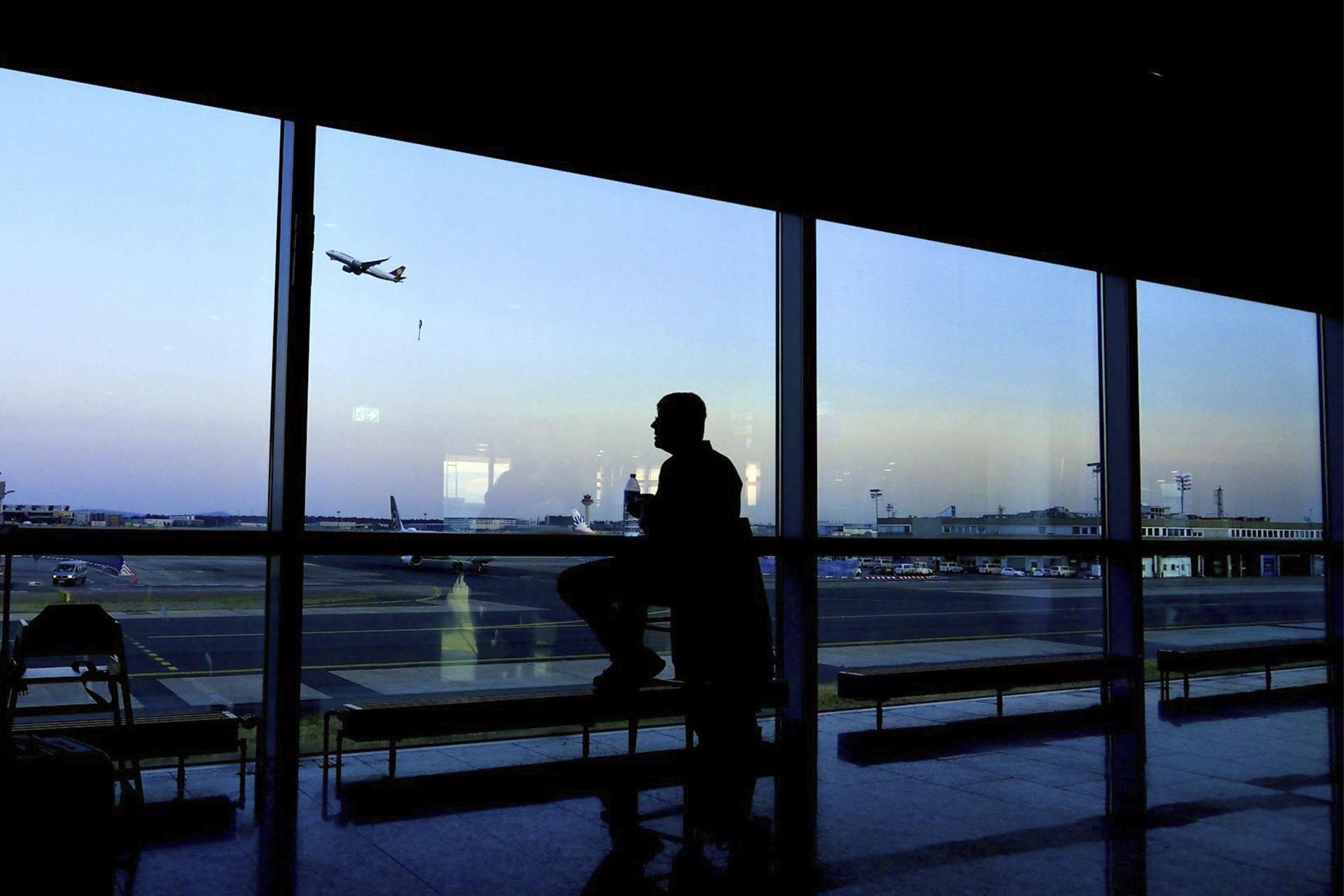
War With Iran Threatens the $11.7 Trillion Global Travel Industry
Airspace Closures Trigger Massive Flight Disruptions
The aviation sector has become the most visible casualty of the crisis. Since the beginning of the U.S. and Israeli strikes on Iran, more than 20,000 flights to and from the Middle East have been canceled. According to aviation analytics firm Cirium, these cancellations have affected more than one million travelers worldwide, leaving passengers stranded in airports, hotels, and cruise ships as airlines struggle to adapt to rapidly changing flight restrictions.The closures of key air corridors across the Middle East have created a cascading logistical crisis. Airlines must reroute aircraft around restricted zones, dramatically increasing travel times, fuel consumption, and operational costs. Some flights have become economically unviable under current conditions, forcing carriers to suspend services entirely.
Travel experts describe the situation as an unprecedented aviation bottleneck. Henry Harteveldt, a former airline executive and founder of the tourism consultancy Atmosphere Research Group, described the crisis as an aviation stalemate, noting that airlines have very few safe corridors available to repatriate stranded passengers.
The crisis intensified when Iran launched retaliatory attacks targeting several countries in the region, including the United Arab Emirates, Qatar, Jordan, Israel, and Cyprus. These strikes created additional security concerns around major aviation hubs.
Dubai International Airport, one of the world’s busiest airports for international passenger traffic, suddenly found itself at the center of the geopolitical storm. When one of the largest global aviation hubs faces operational uncertainty, the ripple effects quickly spread across the entire international travel network.
For global aviation systems that rely heavily on interconnected hubs, disruptions in one strategic location can cause cascading delays worldwide. Airlines operating long-haul routes between Europe, Asia, and Africa depend on Middle Eastern transit hubs for both refueling and passenger connections.
The result is a global scheduling shock that affects far more passengers than those traveling directly to the conflict zone.
Cruise Passengers and Tourists Left Stranded
The crisis has also spilled into other sectors of the tourism industry. Cruise ships operating in the region have faced unexpected logistical challenges. One example is the MSC Euribia cruise ship, which carries more than 6,300 passengers and has been stranded in Dubai while cruise operator MSC Cruises attempts to organize flights for affected travelers.The company stated that it is working with airline partners to prioritize passenger repatriation while exploring alternative solutions such as charter flights from Dubai, Abu Dhabi, or Muscat. Despite the logistical challenges, the company reported that the situation onboard remains calm while evacuation plans are being coordinated.
At the same time, cruise operators have begun adjusting long-term plans. MSC Cruises has already canceled the remaining cruises scheduled to depart from Dubai for the winter season, acknowledging that the conflict has fundamentally changed risk calculations for the region.
The effects of the conflict are also reaching hotels and tourism infrastructure. In Dubai, debris from military activity reportedly caused incidents near major hospitality properties. A fire occurred at the Fairmont The Palm hotel during the weekend, leaving four people injured, although the company confirmed that none of the injured were guests or staff.
Another incident involved the iconic Burj Al Arab hotel, where debris from an Iranian drone reportedly caused a fire earlier in the week. While the damage was limited, the symbolic impact on the tourism sector was significant. Luxury destinations depend heavily on perceptions of safety and stability.
When geopolitical tensions disrupt that perception, high-spending international tourists often postpone or cancel travel plans.
Insurance Demand Surges as Travelers Seek Protection
The uncertainty surrounding the conflict has also triggered a surge in demand for travel insurance. According to Squaremouth, an online travel insurance marketplace, requests for premium insurance policies that allow travelers to cancel trips for any reason have increased eighteenfold during the past week.Travel insurance experts warn that many travelers may be surprised to discover that standard policies often exclude disruptions caused by military conflicts or government-mandated airspace closures. As a result, passengers who miss flights or vacations may not receive reimbursement for nonrefundable costs such as hotel reservations, tours, or airfare.
Travel analyst Sally French notes that travelers frequently misunderstand the limitations of insurance coverage during geopolitical crises. In many cases, the fine print determines whether a traveler receives compensation.
The Iran war is not the only geopolitical shock to affect travel in 2026. Earlier this year, another major disruption occurred when the United States conducted a military operation in Venezuela, capturing President Nicolás Maduro and forcing the temporary closure of airspace across parts of the Caribbean. The sudden restrictions left many travelers stranded at resorts and vacation homes throughout the region.
Shortly afterward, violence in Mexico triggered additional disruptions. Flights were suspended in several areas, including Puerto Vallarta and Guadalajara, after clashes erupted following the killing of a major cartel leader by the Mexican army.
These overlapping crises illustrate a broader trend: the tourism industry is increasingly vulnerable to geopolitical shocks that can emerge with little warning.
Rising Costs for Airlines and Travelers
For airlines, the economic impact of the conflict extends far beyond canceled flights. Rerouted aircraft consume significantly more fuel, which is already one of the largest operational costs in aviation. Combined with labor expenses, insurance costs, and airport fees, these disruptions can quickly erode airline profitability.Some carriers are already adapting their routes. Australia’s Qantas announced that its Perth-to-London service will now stop in Singapore for refueling. While the change adds operational complexity, the airline noted that the stop also allows the company to pick up additional passengers along the route.
Such adjustments highlight how airlines attempt to mitigate financial losses during periods of geopolitical instability.
The broader economic impact extends to countries that rely heavily on tourism revenue. Mexico, for example, derives nearly 9 percent of its national economy from tourism. International visitors play a particularly important role because they typically spend more than domestic travelers.
Last year Mexico welcomed approximately 98.2 million international tourists, representing a 13.6 percent increase compared with the previous year. Those visitors generated roughly $35 billion in tourism revenue, according to government data.
When geopolitical instability discourages international travel, the consequences extend far beyond airlines and hotels. Local businesses, restaurants, transport companies, and service providers all experience reduced demand.
Industry analysts are increasingly comparing the current disruption to some of the most dramatic moments in aviation history. Henry Harteveldt noted that the scale and geographic reach of the crisis represent one of the most chaotic periods for global travel since the airspace shutdown in the United States following the September 11 attacks.
Unlike localized crises, the current conflict affects a strategic region that connects multiple continents. As long as the conflict continues, airlines and travel companies will likely remain in crisis-management mode.
For the global tourism industry, the situation underscores a fundamental reality: even travelers far from missile strikes and drone attacks are not immune to the economic consequences of geopolitical conflict. When war disrupts global mobility networks, the effects can spread quickly across an industry that forms one of the largest sectors of the world economy.
Unlike localized crises, the current conflict affects a strategic region that connects multiple continents. As long as the conflict continues, airlines and travel companies will likely remain in crisis-management mode.
For the global tourism industry, the situation underscores a fundamental reality: even travelers far from missile strikes and drone attacks are not immune to the economic consequences of geopolitical conflict. When war disrupts global mobility networks, the effects can spread quickly across an industry that forms one of the largest sectors of the world economy.
By Jake Sullivan
March 06, 2026
Join us. Our Telegram: @forexturnkey
All to the point, no ads. A channel that doesn't tire you out, but pumps you up.
March 06, 2026
Join us. Our Telegram: @forexturnkey
All to the point, no ads. A channel that doesn't tire you out, but pumps you up.





Report
My comments