




US “Project Freedom” in Hormuz: Market Impact and Oil Risk
US “Project Freedom” in Hormuz: Market Impact and Oil Risk
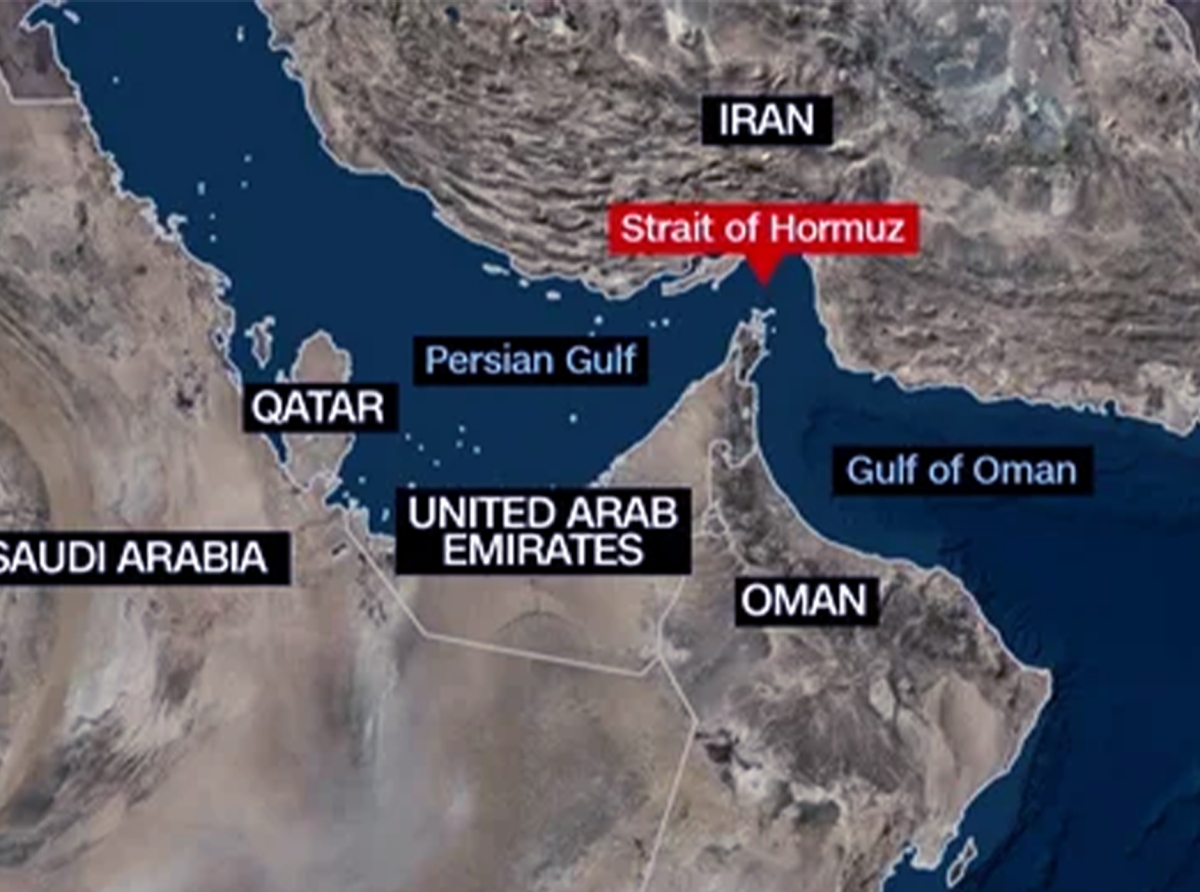
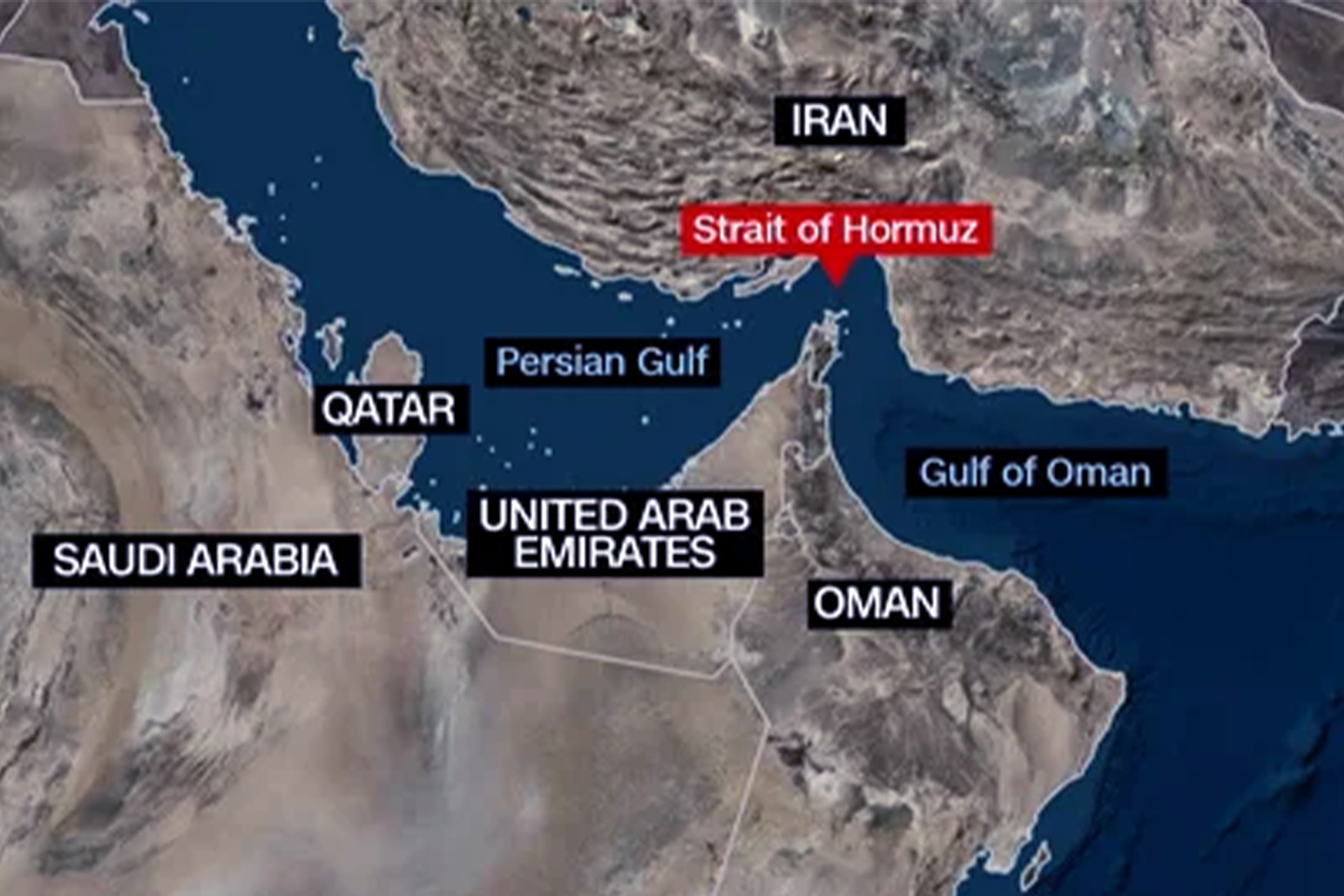
The announcement by Donald Trump of a naval operation dubbed “Project Freedom” in the Strait of Hormuz signals a potential escalation in one of the world’s most critical energy corridors. The strait handles roughly 20% of global oil flows, and any disruption—physical or perceived—feeds directly into crude pricing models. Markets are already pricing a geopolitical risk premium, with elevated volatility in Brent and WTI futures reflecting uncertainty around supply continuity and military engagement scenarios.
The Strait of Hormuz is not just a regional passage; it is a global economic artery. Oil shipments from the Middle East to Asia, Europe, and beyond depend on its uninterrupted operation. Since the beginning of tensions involving Iran, transit has become severely constrained, with reports of mines, attacks on vessels, and grounded ships disrupting normal flows.
Trump’s proposal focuses on extracting stranded civilian vessels rather than immediately restoring full navigation. However, even a limited operation introduces military assets into a contested zone, increasing the probability of confrontation.
From a market perspective, the distinction between “humanitarian mission” and “military operation” is largely irrelevant. The presence of naval forces changes risk calculations instantly.
Crude prices tend to incorporate three layers of risk in such scenarios: immediate disruption, probability of escalation, and duration of instability. All three variables are currently elevated.
From a trader’s desk: oil futures spike on headlines, then stabilize at higher levels rather than retracing. This indicates that the market is not treating the news as temporary noise but as a structural shift in risk perception.
Trump’s proposal focuses on extracting stranded civilian vessels rather than immediately restoring full navigation. However, even a limited operation introduces military assets into a contested zone, increasing the probability of confrontation.
From a market perspective, the distinction between “humanitarian mission” and “military operation” is largely irrelevant. The presence of naval forces changes risk calculations instantly.
What “Project Freedom” implies for oil markets
Energy markets react not only to supply disruptions but to expectations. The announcement of a coordinated effort involving U.S. forces suggests that current restrictions may persist or intensify before improving.Crude prices tend to incorporate three layers of risk in such scenarios: immediate disruption, probability of escalation, and duration of instability. All three variables are currently elevated.
From a trader’s desk: oil futures spike on headlines, then stabilize at higher levels rather than retracing. This indicates that the market is not treating the news as temporary noise but as a structural shift in risk perception.
US “Project Freedom” in Hormuz: Market Impact and Oil Risk
Military signaling and negotiation dynamics
The operation is framed as a humanitarian effort, but it carries implicit strategic messaging. Trump has linked the initiative to ongoing переговоры, suggesting that cooperation from Tehran could support diplomatic progress. At the same time, he warned that interference would be met with force.This dual signaling—offer of cooperation combined with threat of escalation—creates ambiguity. Markets typically price ambiguity as risk, especially when it involves military assets in a high-stakes region.
Reports indicate that U.S. Central Command may deploy destroyers, авиацию и беспилотные системы для сопровождения судов. Such масштаб signals readiness for broader engagement if conditions deteriorate.
Disruptions in Hormuz extend beyond oil. The corridor also carries significant volumes of refined products, chemicals, and fertilizers. Any prolonged ограничения affect manufacturing costs, food production, and inflation globally.
For importing economies, especially in Asia, higher energy prices translate into pressure on trade balances and currencies. For exporters, the effect is mixed—higher revenues offset by volatility and uncertainty.
A practical observation in April 2026 is the correlation between oil spikes and defensive positioning in FX markets, particularly flows into USD and safe-haven assets.
Analytical insight: markets trade scenarios, not statements
The key driver is not the declared intention of the operation but the range of possible outcomes. A smooth evacuation of ships could reduce short-term pressure, but it does not resolve the underlying conflict.Conversely, any столкновение—even limited—could trigger a rapid repricing across commodities and equities. This asymmetry explains why markets respond strongly even to preliminary announcements.
Over the coming weeks, volatility is likely to remain elevated. The interaction between military operations and diplomatic efforts will define direction, but uncertainty itself sustains price swings.
For traders, this environment favors scenario-based positioning rather than directional conviction. Monitoring developments in Hormuz becomes critical for energy, FX, and equity markets alike.
“Project Freedom” introduces a new phase in the Hormuz crisis, blending humanitarian framing with military execution. For markets, the implication is clear: geopolitical risk remains elevated, and oil prices will continue to reflect both current disruptions and future uncertainty.
By Miles Harrington
May 04, 2026
Join us. Our Telegram: @forexturnkey
All to the point, no ads. A channel that doesn't tire you out, but pumps you up.
May 04, 2026
Join us. Our Telegram: @forexturnkey
All to the point, no ads. A channel that doesn't tire you out, but pumps you up.





Report
My comments