



Oil Prices Rise as Middle East Supply Risks Intensify
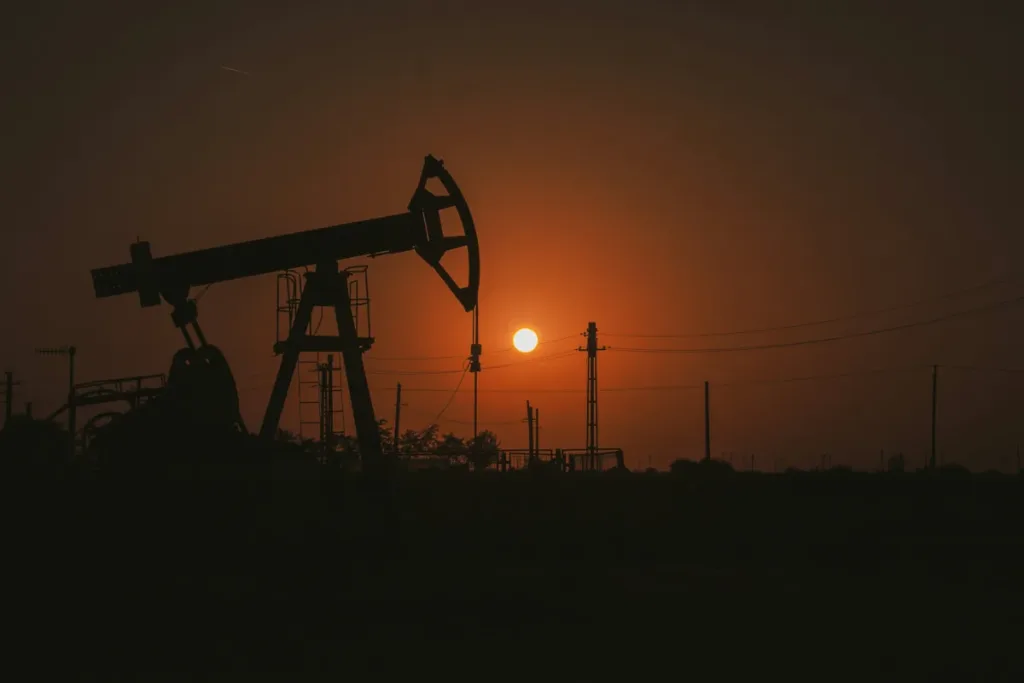
Oil prices were higher on Friday and on track to snap a three-week losing streak, as attacks on tankers in the Strait of Hormuz and Saudi energy infrastructure raised concerns about supply disruptions from the conflict-affected Middle East. Brent crude traded around $96.61 per barrel, while U.S. West Texas Intermediate crude was near $85.78 per barrel.
Brent had gained nearly $2 on Thursday to settle at its highest level since November 6. The market is now pricing in a higher geopolitical risk premium as shipping lanes and regional energy assets face renewed threats.
Why it matters
Higher oil prices matter for the U.S. economy because they feed directly into fuel costs, transportation expenses, and inflation expectations. For consumers already dealing with elevated prices, another sustained rise in energy costs could further strain household budgets during the holiday-shopping season.
For markets, the move creates a potential headwind for risk assets if investors begin to price in slower growth or more persistent inflation. Energy producers and oilfield-services companies may benefit, while airlines, transport firms, and consumer discretionary businesses tend to face cost pressure.
Trading angle
- Bullish crude: Any further disruption to tanker traffic, refinery operations, or Middle East exports could push Brent and WTI higher.
- Bearish crude: A diplomatic de-escalation, restoration of safe shipping routes, or release of strategic reserves could quickly reduce the risk premium.
- FX impact: A stronger oil complex can support commodity-linked currencies such as CAD, NOK, and RUB, while weighing on oil-importing economies and potentially strengthening the U.S. dollar through inflation concerns.
By Jake Sullivan